.avif)
.svg)
Founded in 1943 by a 17-year-old entrepreneur, Ingvar Kamprad, IKEA began as a small mail-order business in the Swedish countryside. The name itself – IKEA – captures Kamprad’s story: his initials combined with those of his family farm (Elmtaryd) and village (Agunnaryd). What started as pens and picture frames soon evolved into a revolution in how the world experiences design.
By the late 1940s, IKEA had turned its attention to furniture – simple, honest designs that reflected the modest, resourceful spirit of rural Sweden. In a region where practicality was a way of life, Kamprad recognised that good design didn’t have to be exclusive. His mission was to make beautiful, functional furniture accessible to everyone.
A pivotal moment came in the 1950s, when a designer removed the legs from a table to fit it into a car – sparking the idea of flat-pack furniture. This innovation transformed IKEA into a global name. Flat-packing made transport cheaper, assembly simpler, and good design available to millions of homes around the world.
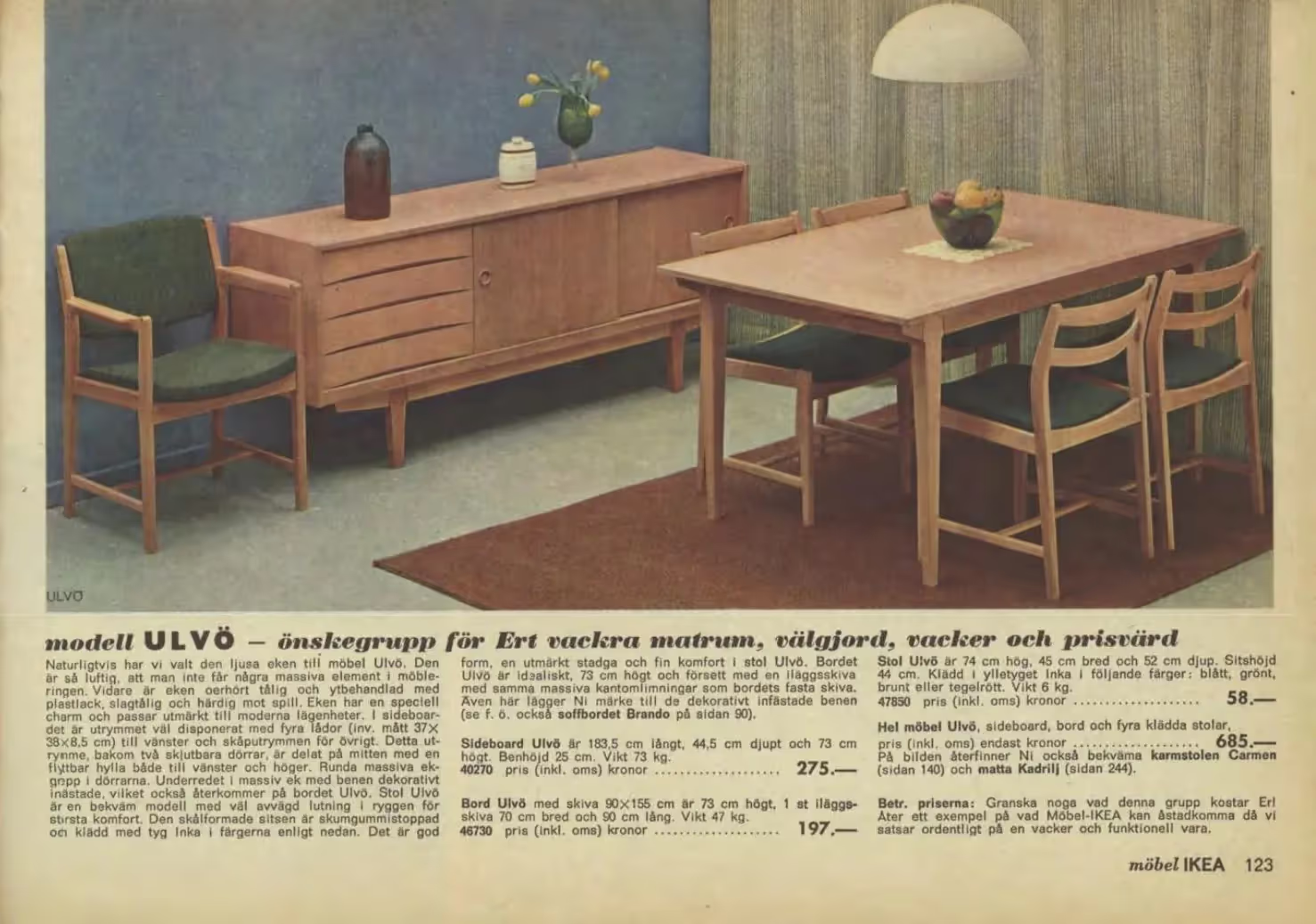
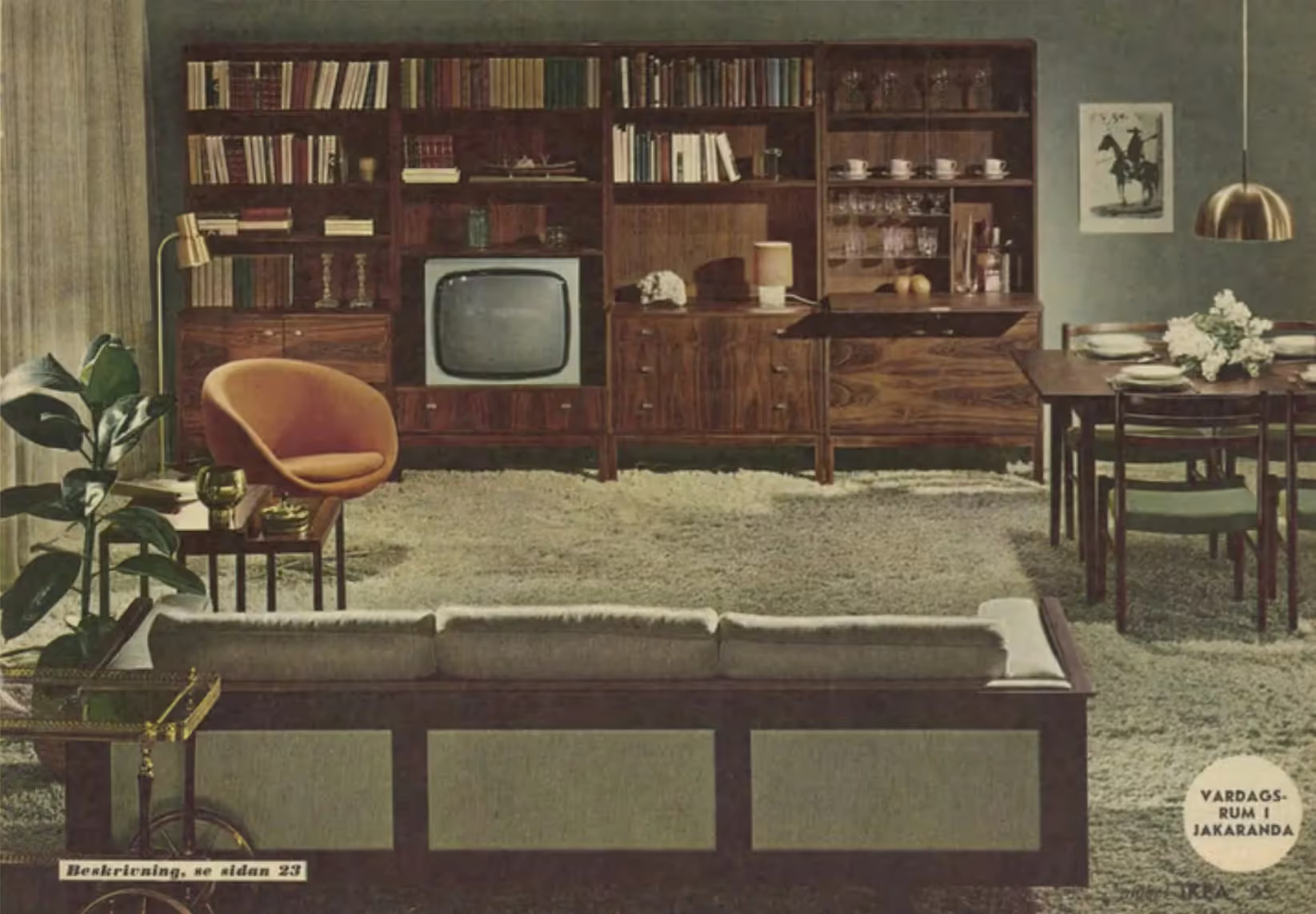
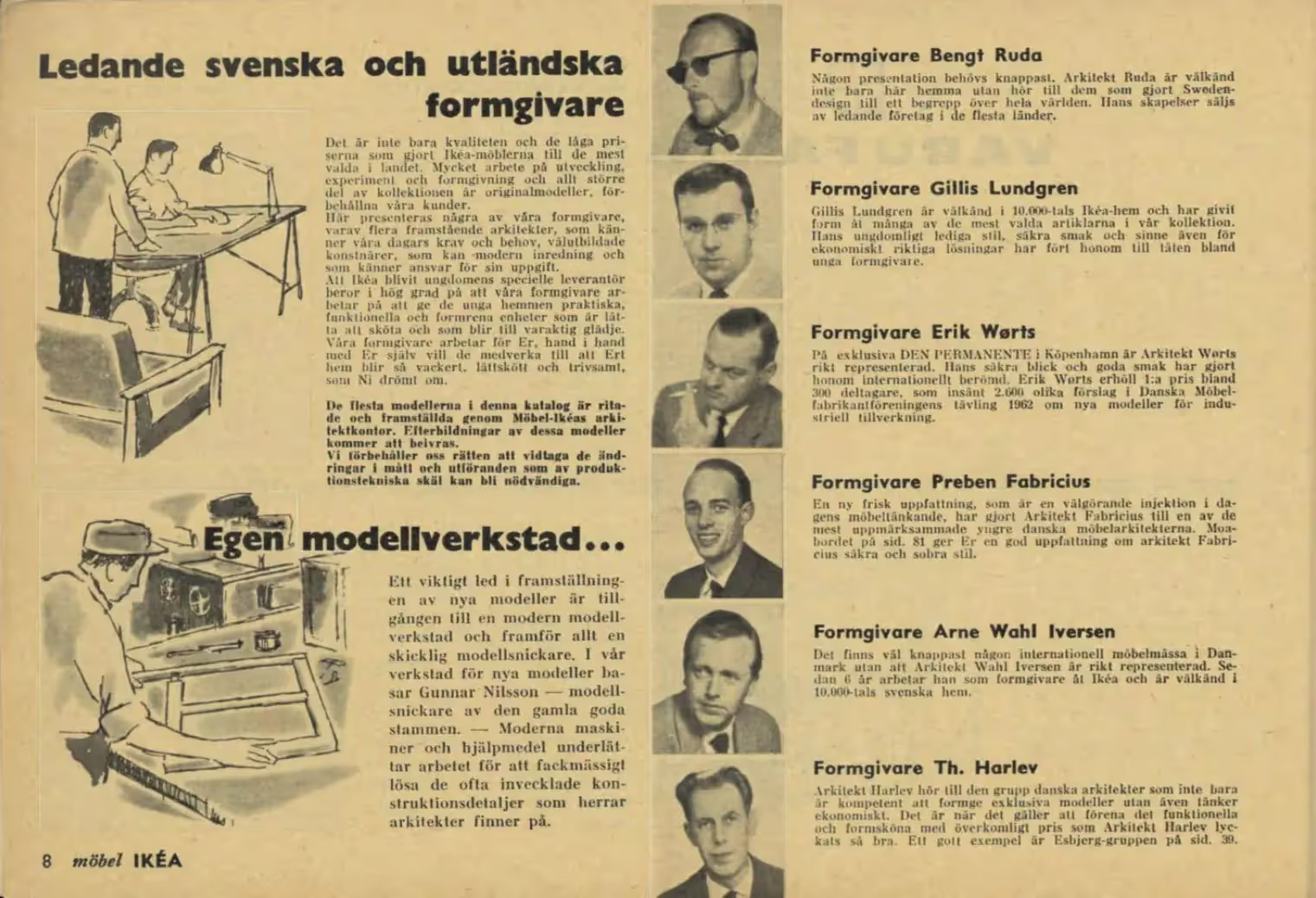
Throughout the mid-century years, IKEA’s catalogues captured the optimism of modern Scandinavian design – light woods, organic forms, and a sense of democratic elegance. IKEA also collaborated with leading designers like Erik Worts, Arne Wahl Iversen, Bengt Ruda and Preben Fabricius creating pieces that are now highly sought after by collectors.
Today, IKEA continues to champion design that blends form, function, and affordability. While it has grown into a worldwide institution, its heart remains in the same Swedish ideals that shaped its beginnings: sustainability, simplicity, and thoughtful living.
.avif)

.avif)
.avif)
.avif)
.avif)
/ Vintage Ikea Catalogue Images
/ Bengt Ruda 'Cikada' Safari Chair