.svg)
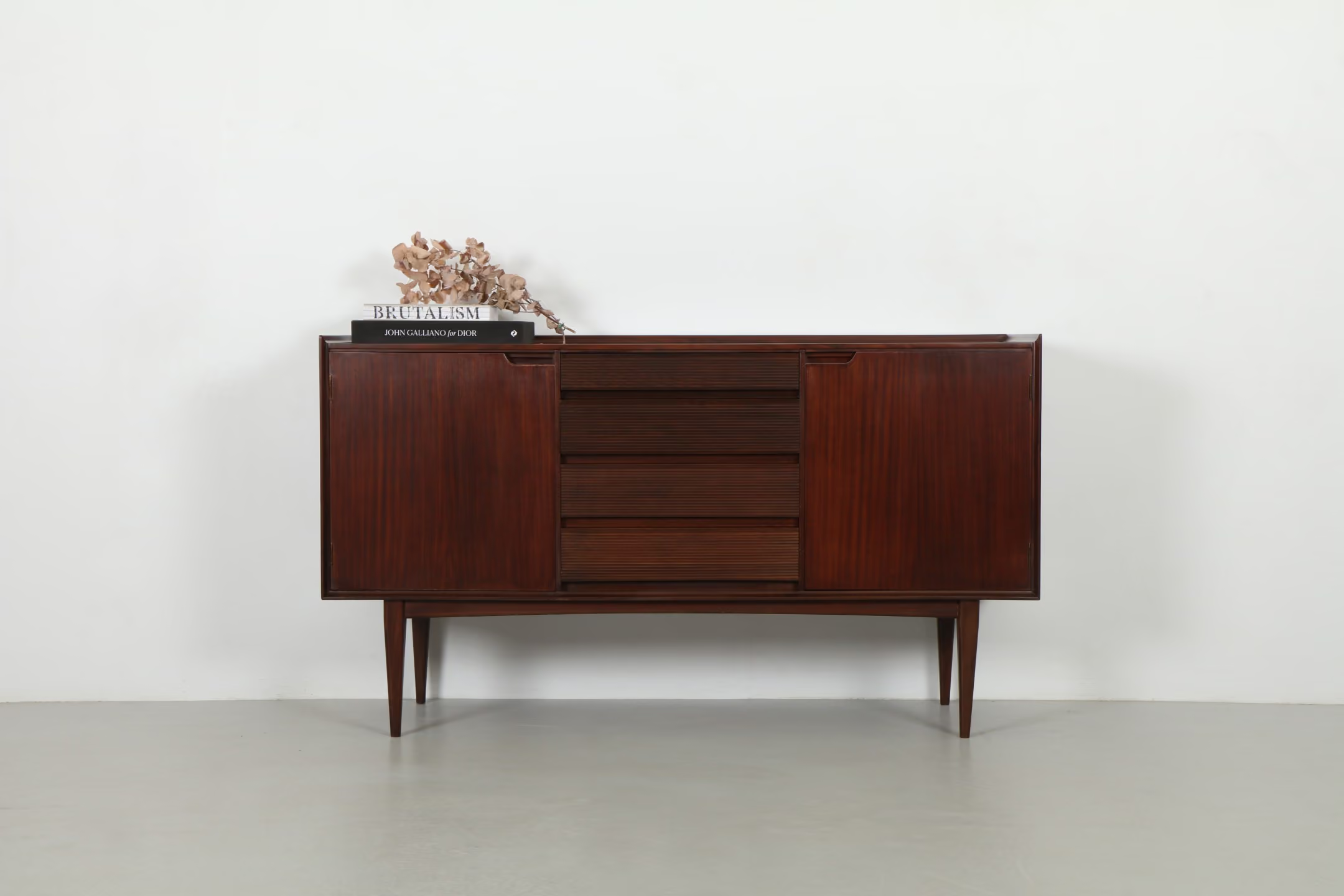
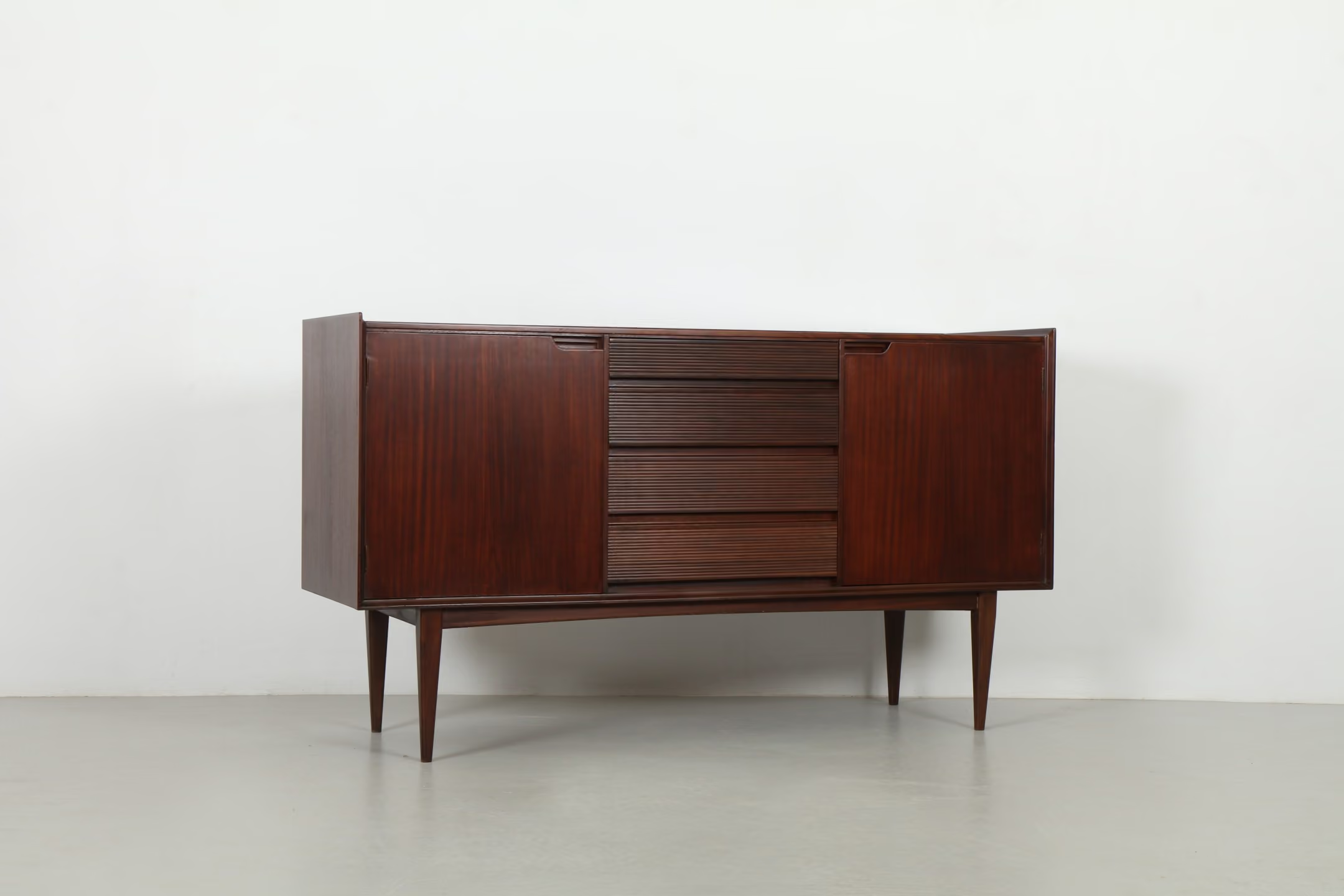
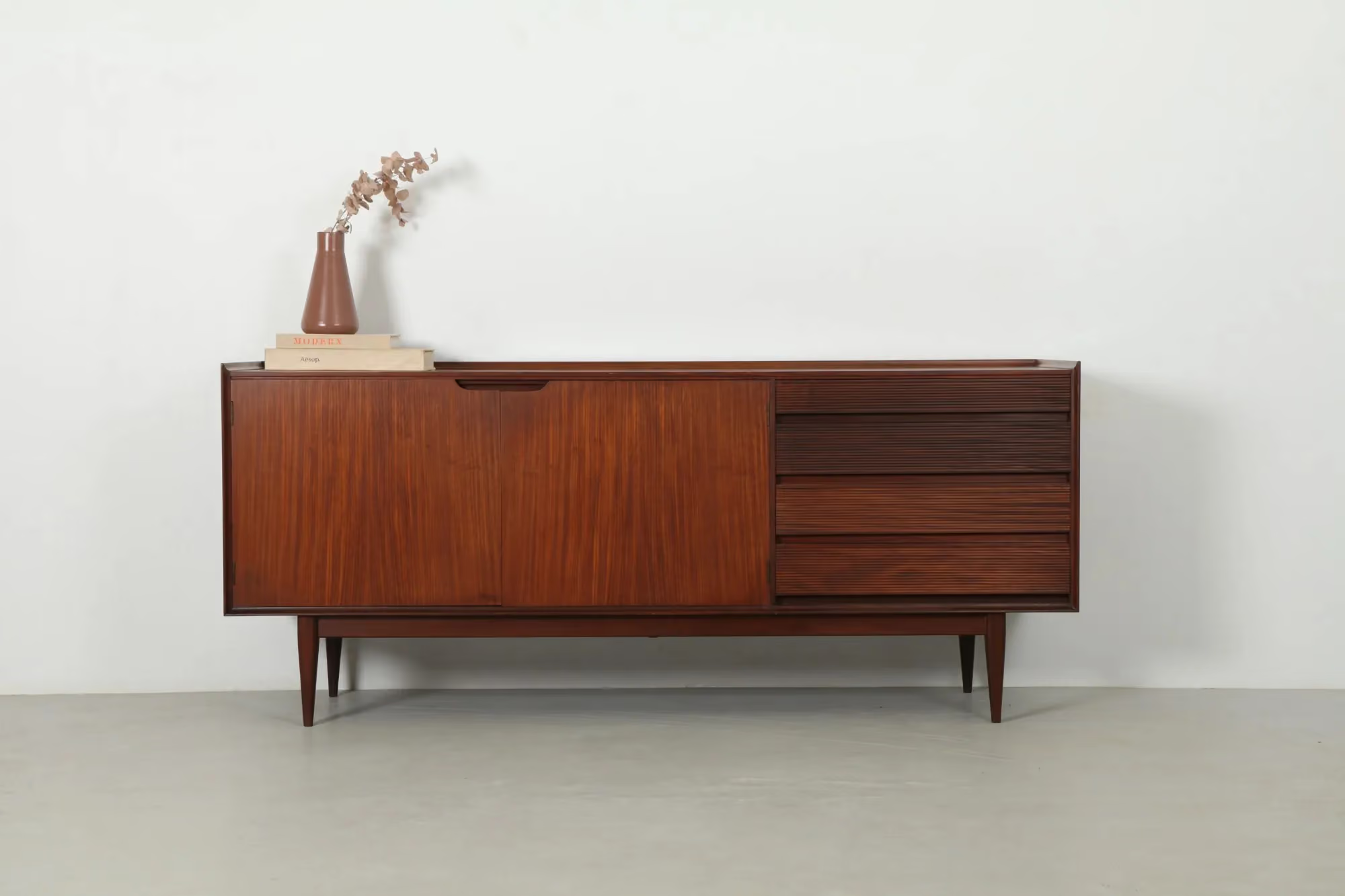
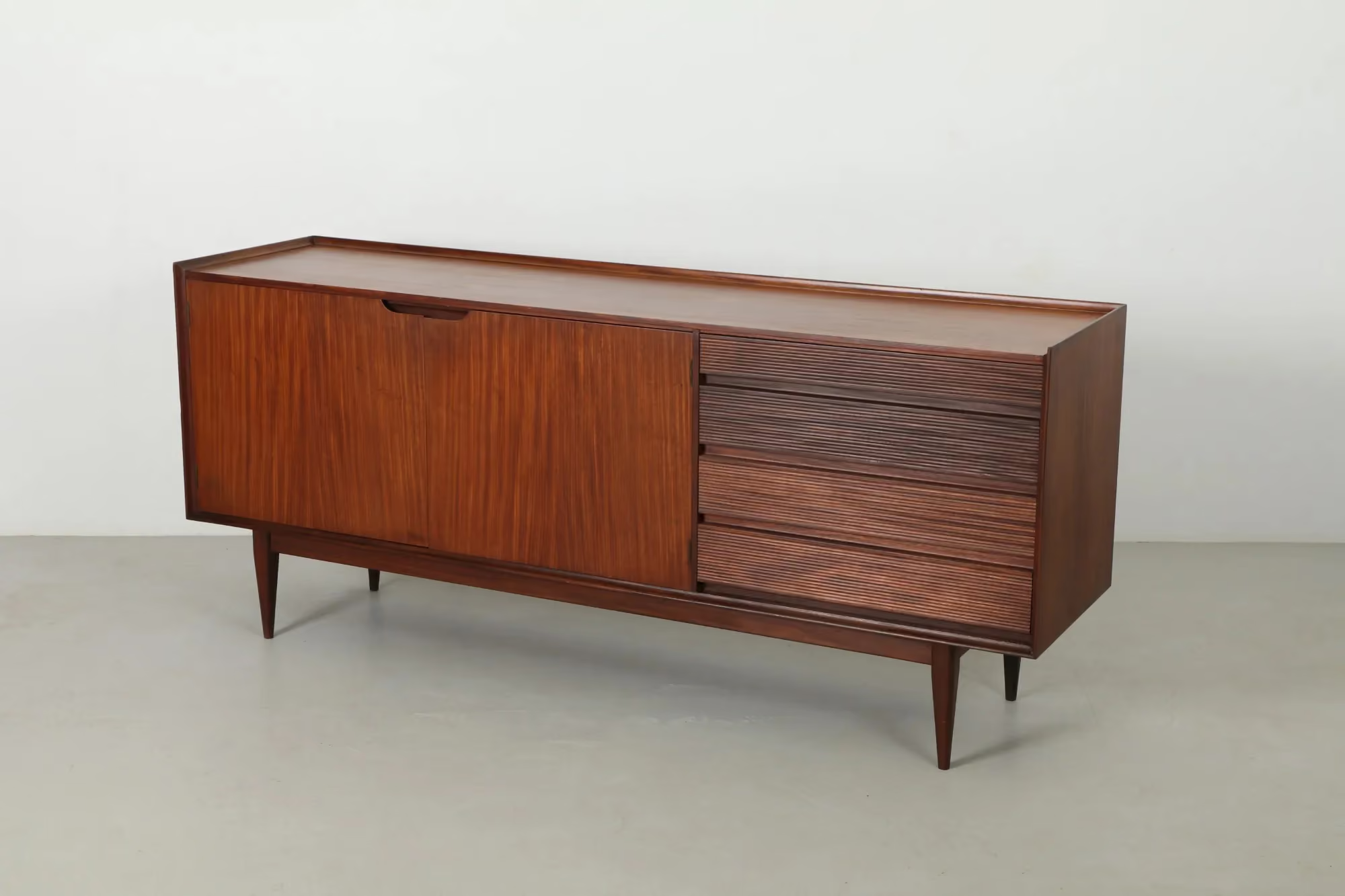
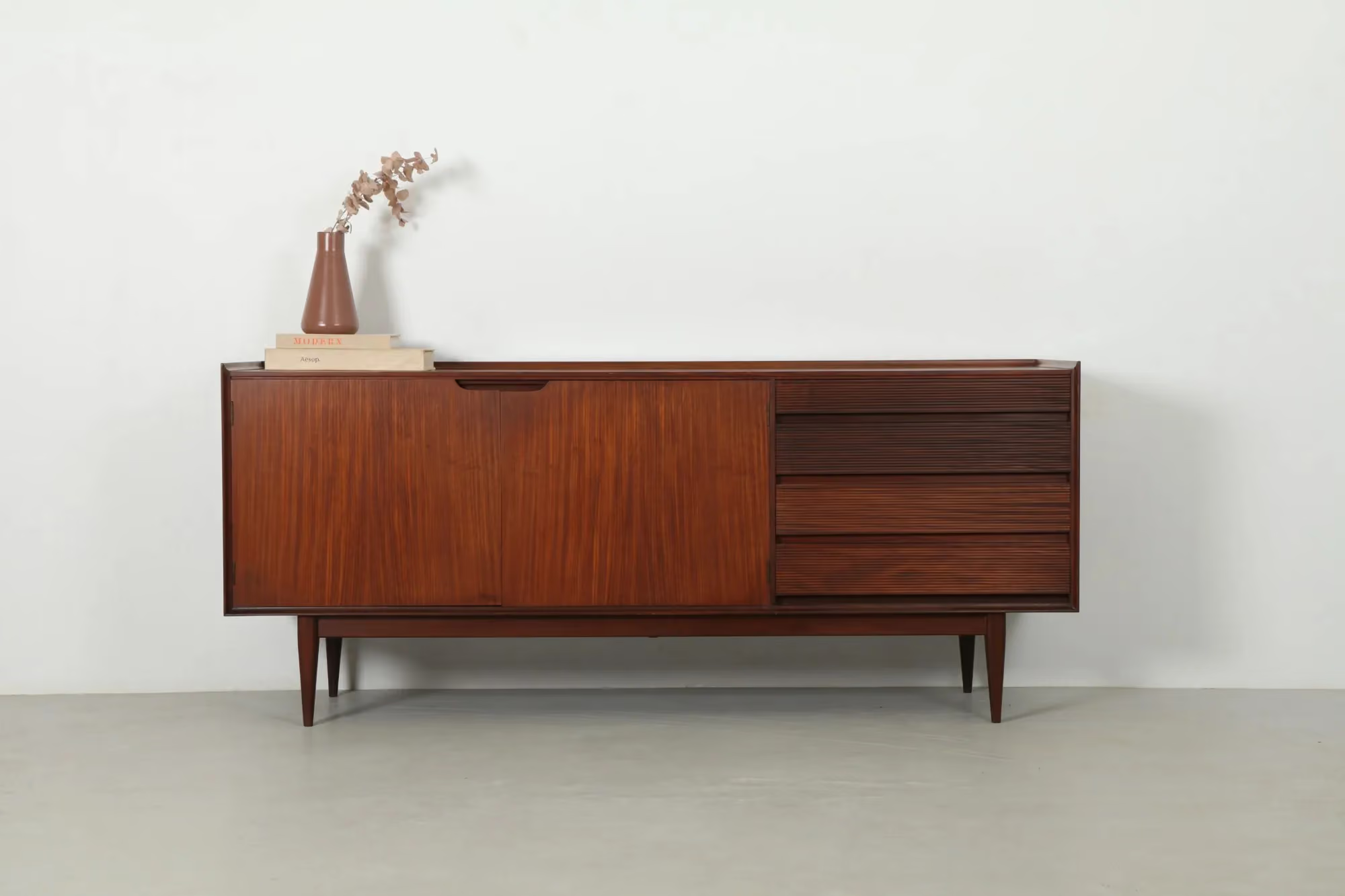
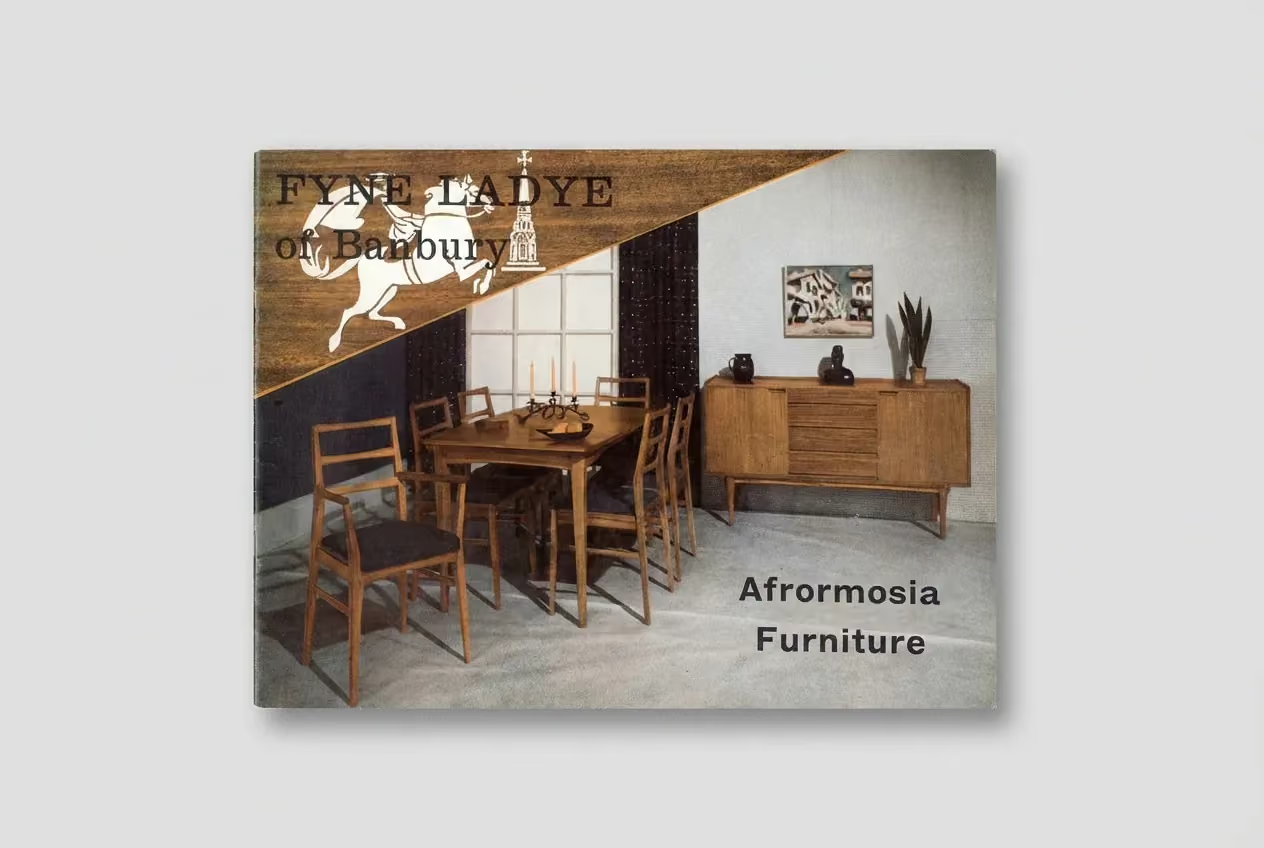
Working primarily during the late 1950s and early 1960s, Hornby is best known for his designs for the British manufacturer Fyne Ladye of Banbury. His collections were crafted predominantly from richly figured afromosia (African teak), a timber prized for its warmth, durability, and beautiful grain. Characterised by clean architectural lines, subtle detailing, and carefully considered proportions, his furniture balanced modern simplicity with traditional cabinet-making techniques.
Unlike some of the more sculptural Scandinavian-inspired British designers of the period, Hornby favoured a quieter aesthetic. His sideboards, dining tables, desks, and storage pieces emphasise precision, functionality, and understated sophistication, allowing the quality of the materials and craftsmanship to take centre stage. Many of his designs were retailed through prestigious stores such as Heal's, helping introduce modern furniture to discerning British households during the post-war design boom.
Today, Richard Hornby's work is increasingly appreciated by collectors for its enduring quality and refined modernism. His furniture occupies a unique position within British mid-century design, combining the clean lines of Scandinavian modernism with the solidity and craftsmanship of Britain's finest furniture makers. As interest in exceptional mid-century furniture continues to grow, Hornby's designs remain highly sought after for their elegant simplicity, practical functionality, and ability to complement both contemporary and period interiors.

/ Richard Hornby Sideboard by Fyne Ladye
/ Fyne Ladye Catalogue