Florence Knoll : The Office Design Revolutionary

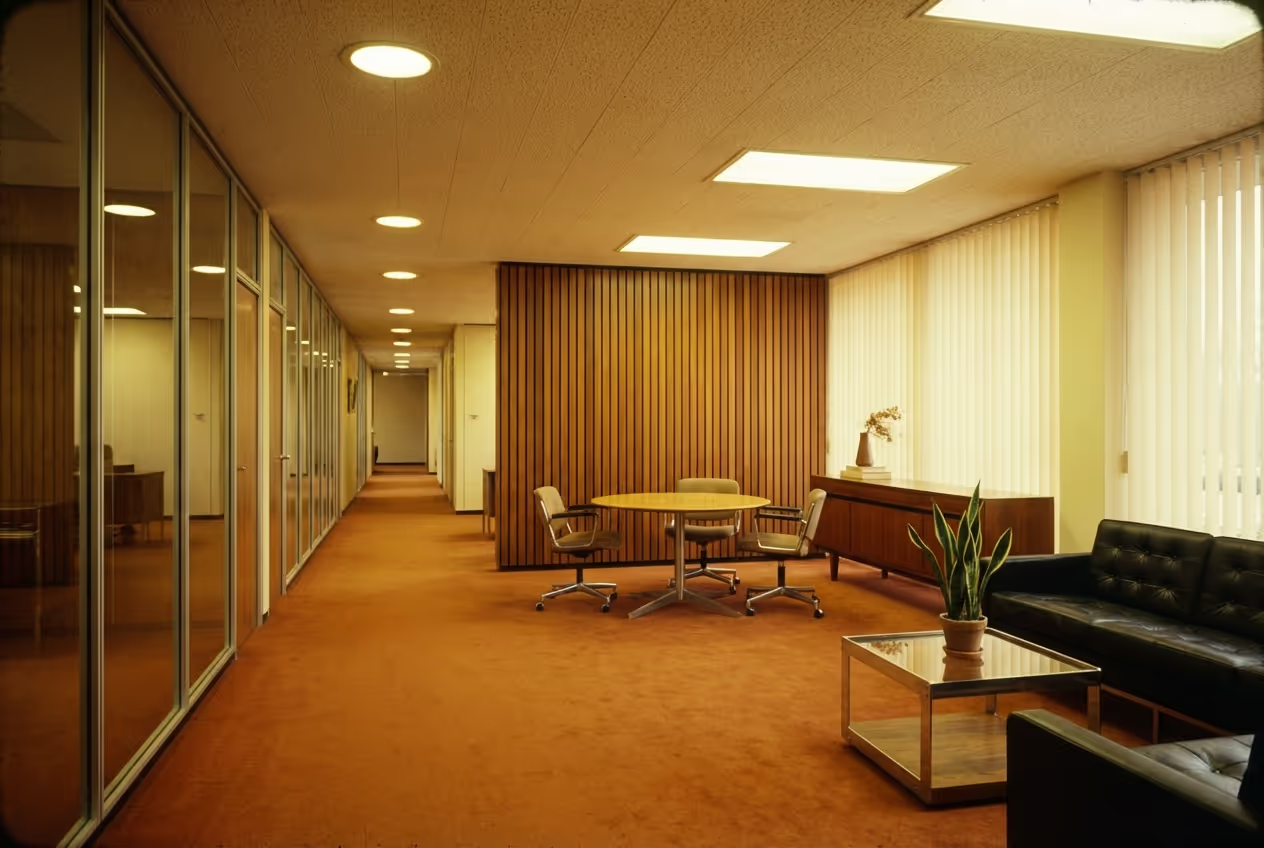
A 1970s modern office featuring pieces from our current collection – Florence Knoll Sofa, John Herbert 'Hennessy' Sideboard by Younger, Richard Young Chrome and Rosewood Coffee Table by Merrow Associates, Knoll Dining Table by Nova Interiors. Image: Dan Eagle
Florence Schust (later Florence Knoll, 1917–2019) stands as one of the most influential designers of the twentieth century. While her success might partly be attributed to being in the right place at the right time, the talent, discipline, and vision she brought to commercial furniture design were truly groundbreaking. Her ability to rethink how modern workspaces functioned fundamentally reshaped the relationship between architecture, interiors, and furniture.
Throughout her life, Florence Knoll was remarkably well connected to many of the most important figures in modern design, allowing her to participate directly in defining key moments in design history. She studied and worked with leading Bauhaus figures including Walter Gropius and Marcel Breuer, and later trained under Ludwig Mies van der Rohe. This education provided a rigorous foundation for her work, and the influence of Mies’s rational, architectural approach is clearly evident in the precise, linear furniture she later designed for Knoll Associates.
That formative network, however, tells only part of the story. Florence Knoll was also closely associated with Charles and Ray Eames, Harry Bertoia, and Eero Saarinen—designers who emerged as the new generation of American modernism in the post-war period. Her background in architecture, design, and planning became central to her later success in furniture design, although early in her career she was steered toward interior design work, largely because she was a woman.
Just two years after completing her bachelor’s degree under Mies van der Rohe in 1943, and following early experience in commercial office design, Florence began working with Hans Knoll in New York. The two quickly formed both a professional and personal partnership. Hans Knoll led a successful furniture company founded in Germany by his father, Walter Knoll, and was already collaborating with Danish-American designer Jens Risom.

The Knoll Showroom in 1954. Source: Knoll.
Following her marriage to Hans Knoll in 1946, Florence Knoll reactivated her extensive design network with remarkable effect. She invited many of the era’s leading designers to create work for Knoll, offering proper credit and commissions. This included Eero Saarinen, Marcel Breuer, Pierre Jeanneret, Isamu Noguchi, and Harry Bertoia, while Mies van der Rohe was persuaded to license the iconic Barcelona Chair.
Consideration was given to the use of new materials to push the boundaries of design – Saarinen's famous Womb Chair was the response to a brief from Florence Knoll for ultimate comfort. It was to be "like a great big basket of pillows that I can curl up in," and the sculptural, organic frame was crafted with input from a boat builder, to construct the frame out of fibreglass. Harry Bertoia was predominantly a sculptor and collaborated with Knoll to develop his wire based designs to a collection of chairs which are now highly recognisable and continue in production.
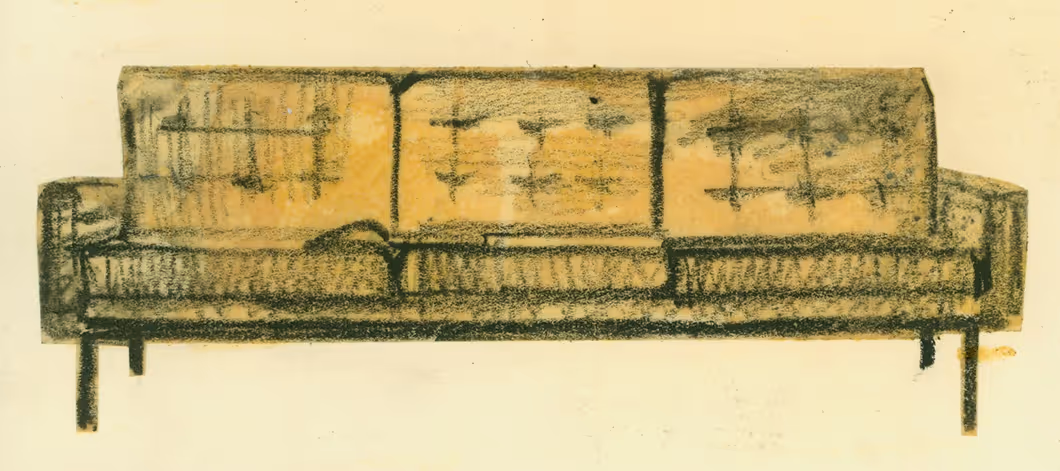
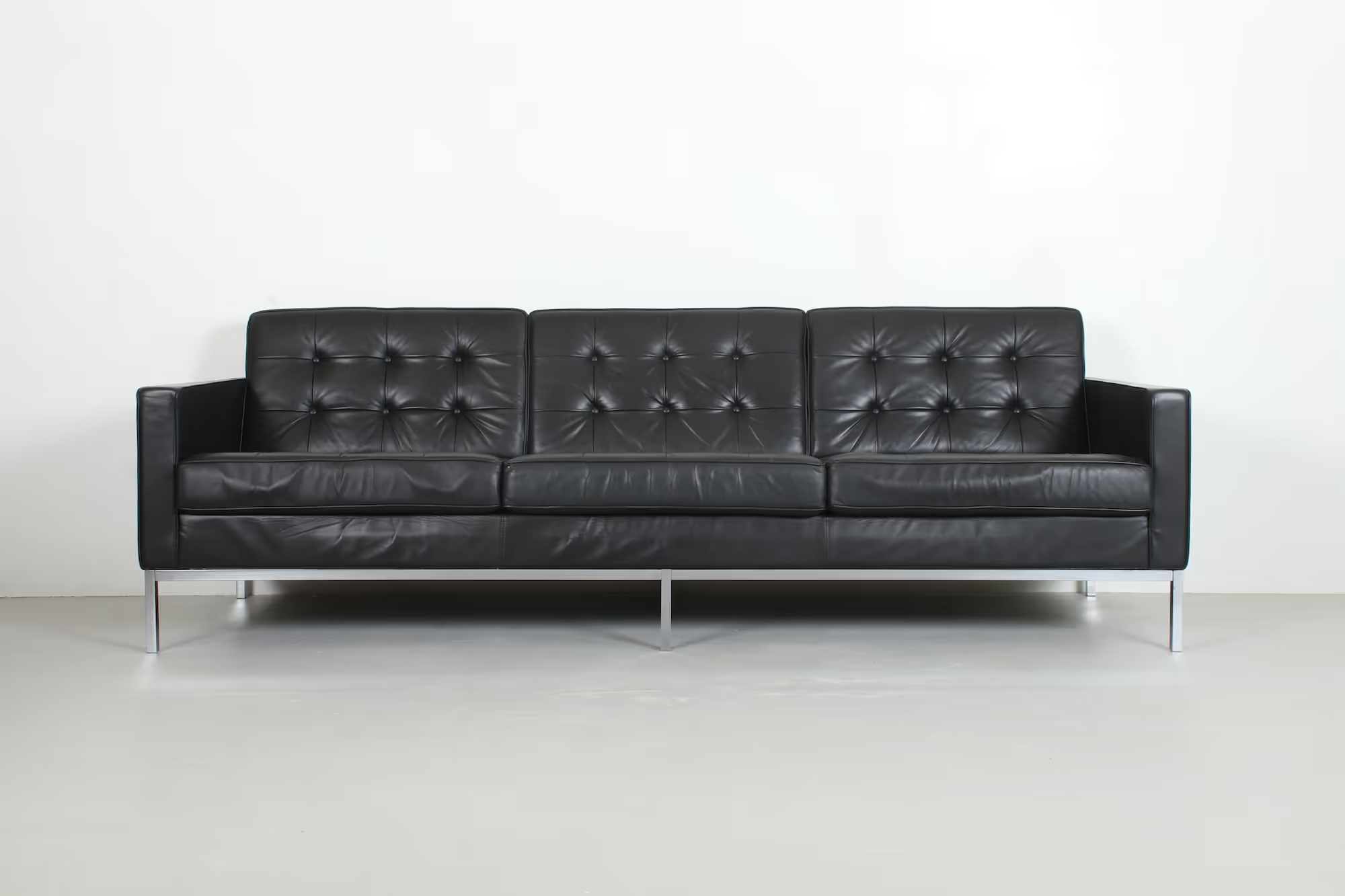
Florence Knoll’s own furniture designs ultimately made up nearly half of the Knoll catalogue and remain in production today. She introduced a revolutionary approach to office planning, replacing heavy desks and imposing cabinets with light, open layouts and architecturally informed furniture. Clean-lined sofas, modular storage, and adaptable tables created flexible workspaces defined by clarity, structure, and modern elegance.
Living to the age of 101, Florence Knoll left a legacy that will undoubtedly endure well into the future. She reached the pinnacle of success in modern design and remains a powerful source of inspiration for designers – particularly women working in the field. We are proud to represent furniture by Florence Knoll in our gallery collection. Please get in touch for further details.
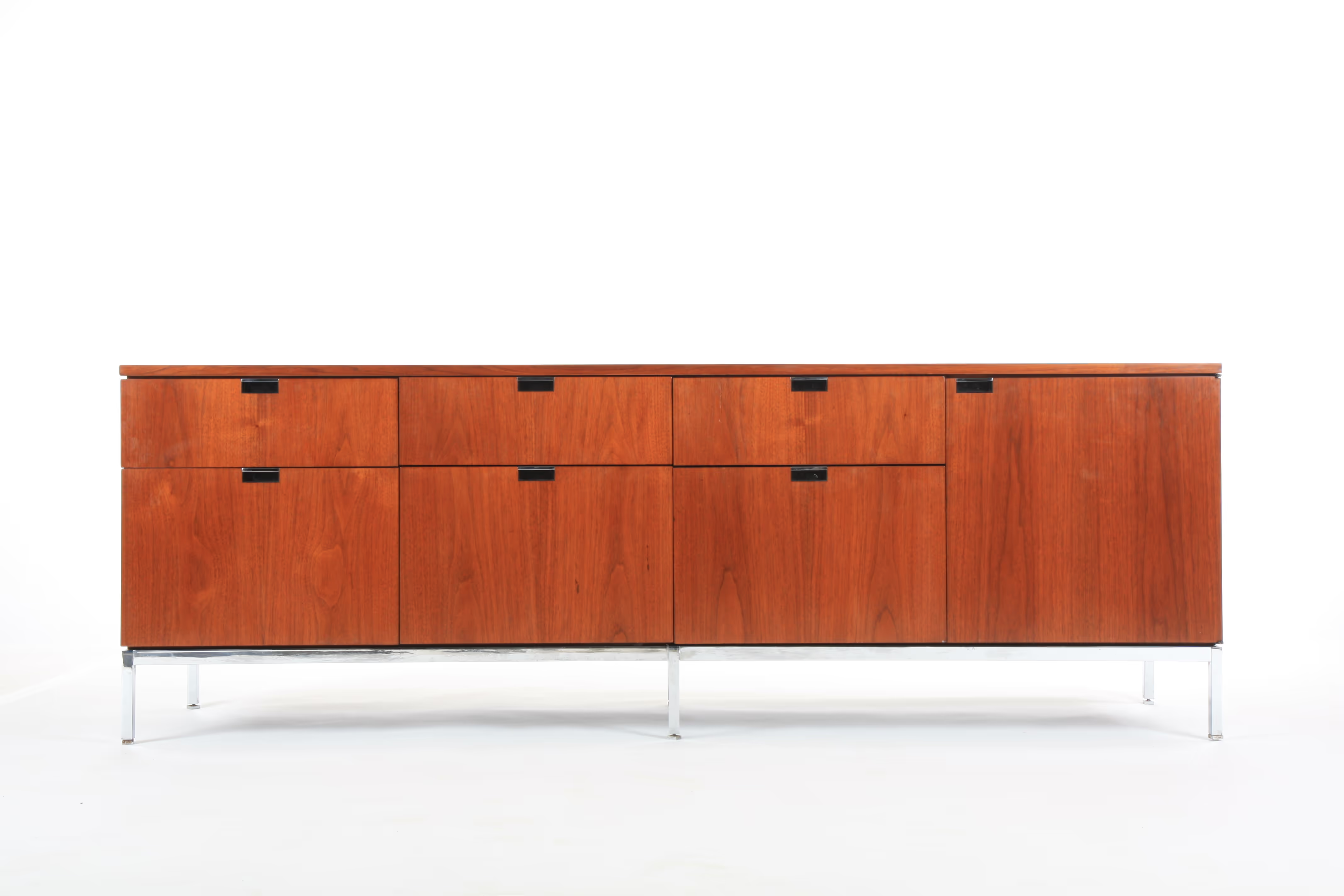
Archive Image: Florence Knoll Sideboard, produced by Knoll.
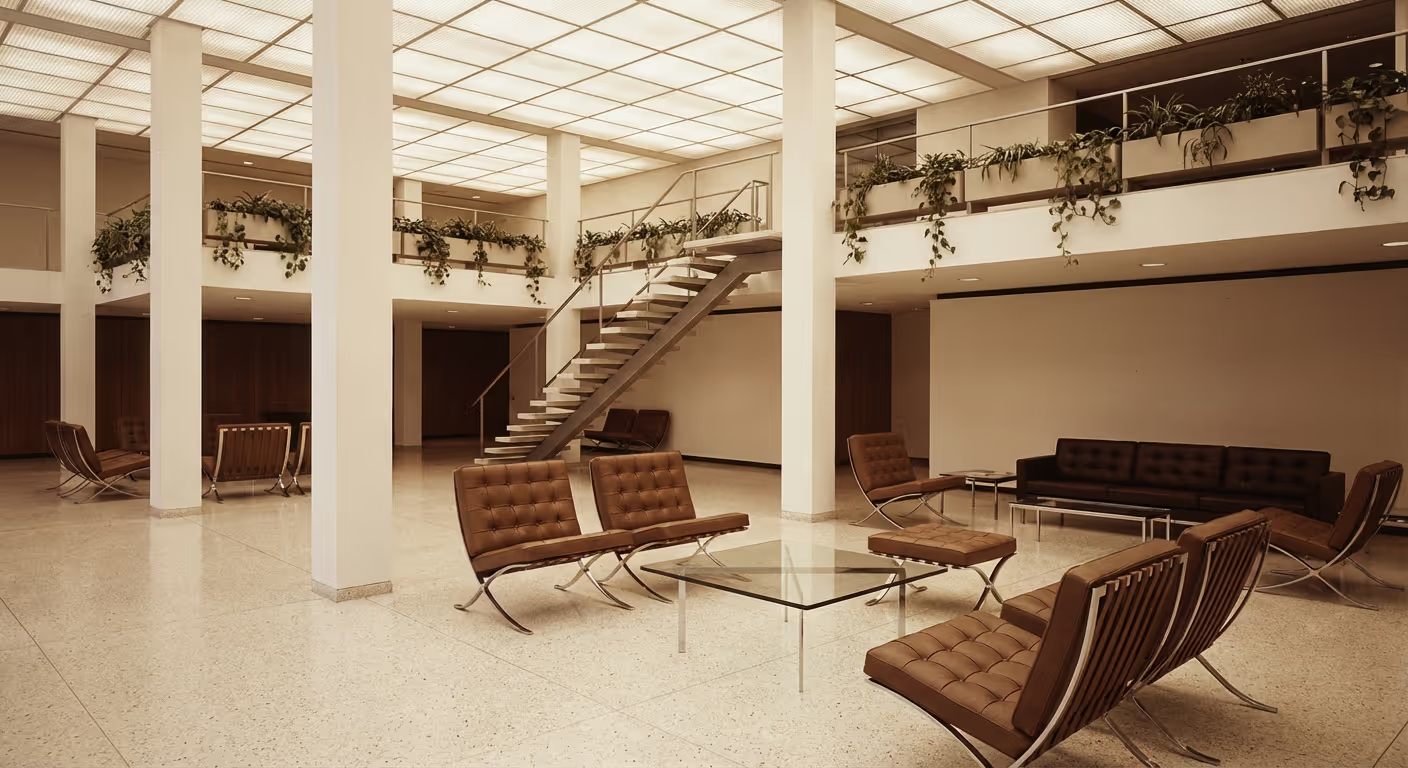
A 1950s modernist office featuring designs from the Knoll catalogue: The Barcelona Chair by Mies van der Rohe and Lily Reich (1929). Sofa and Coffee Tables by Florence Knoll. Image: Dan Eagle
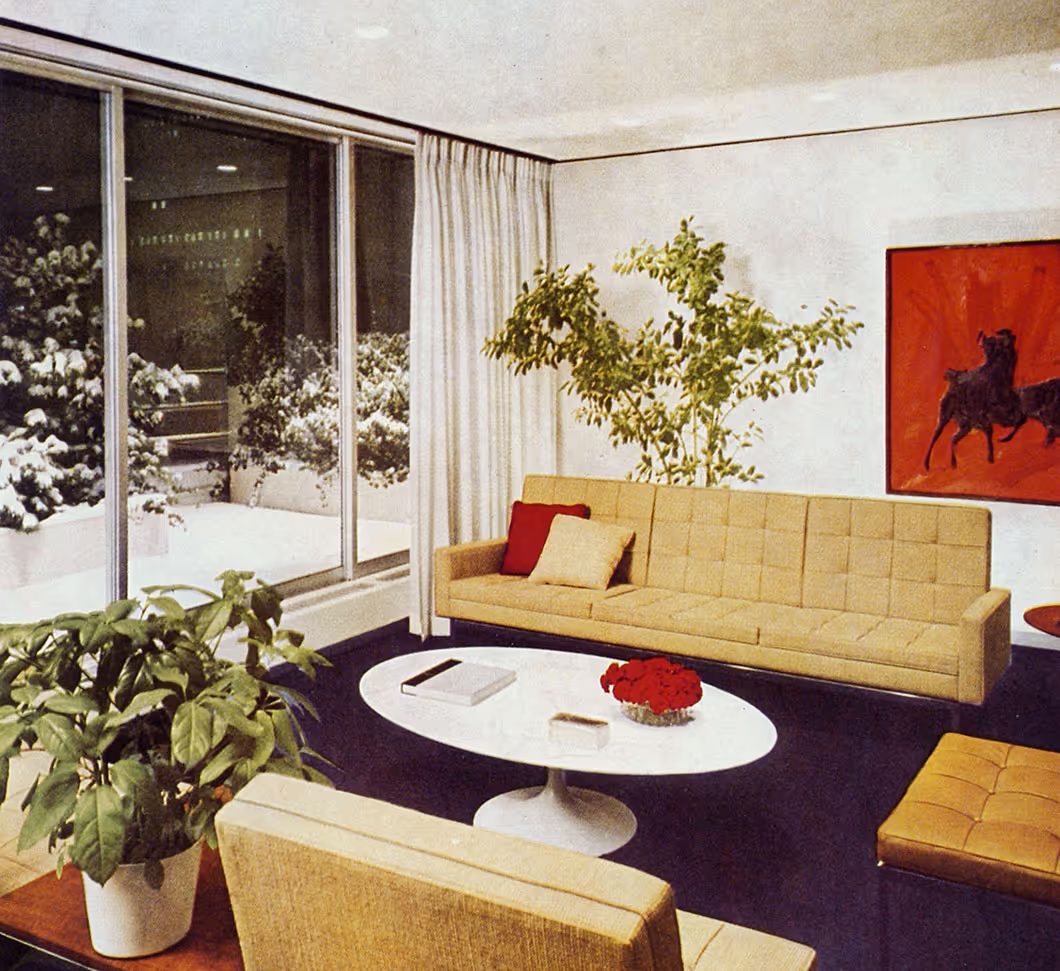
The Knoll Showroom in 1954. Source: Knoll.

The Knoll Showroom in 1953. Source: Knoll.

The Knoll Showroom in 1957. Source: Knoll.
I am not a decorator. The only place I decorate is my own house.
.avif)
.webp)