Pair of Cute John Crichton Hand-Turned Kauri Bowls
.svg)
.svg)
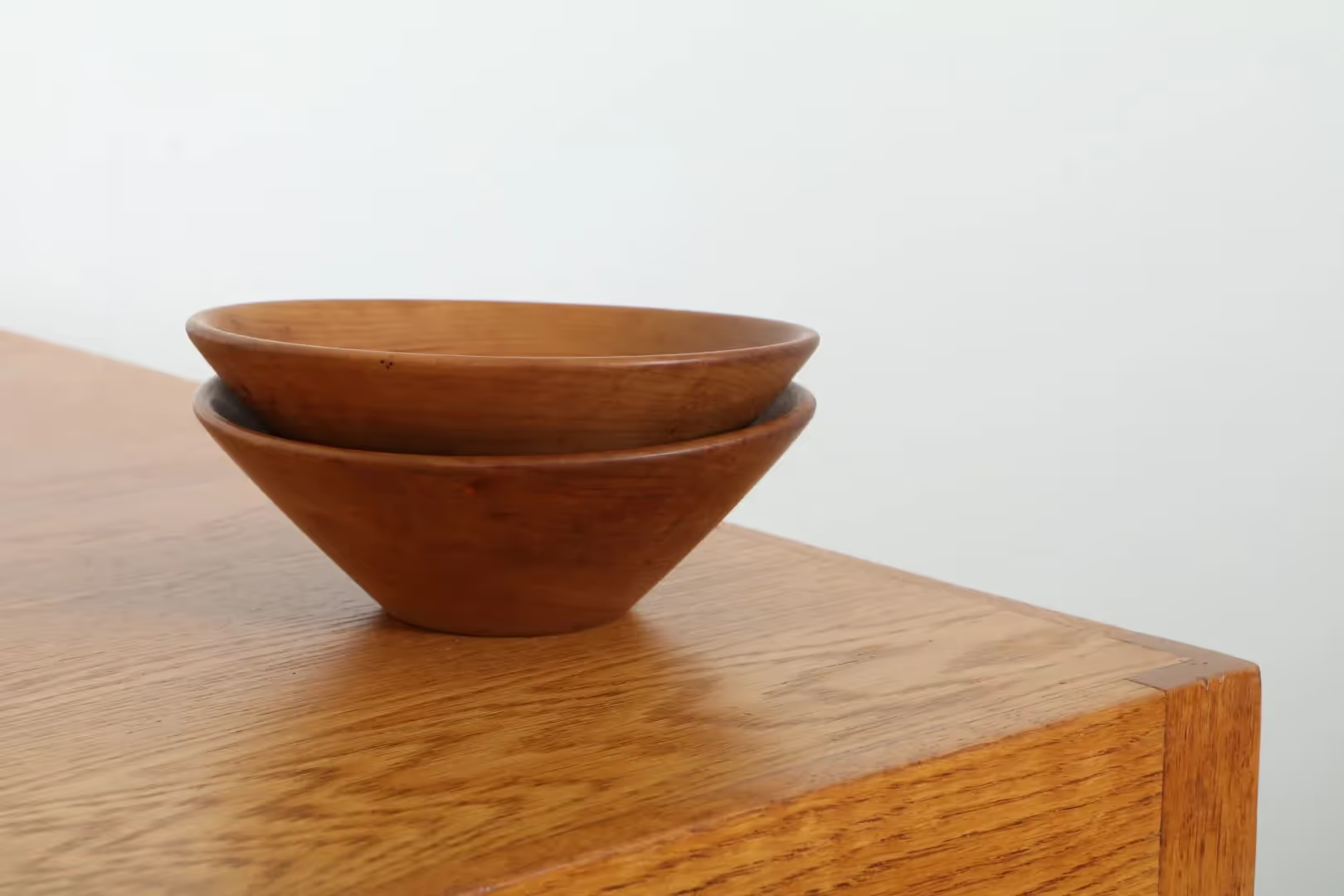
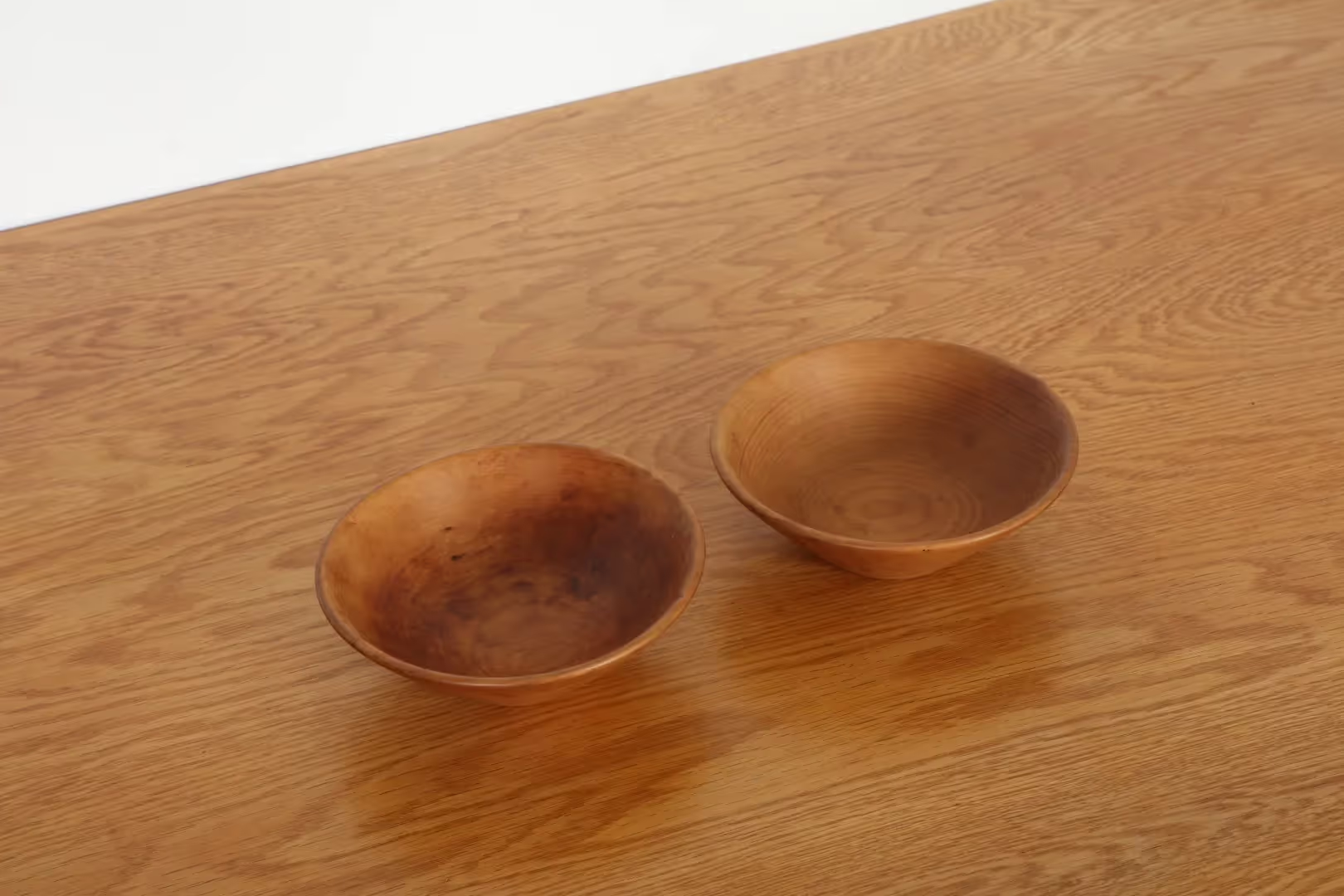
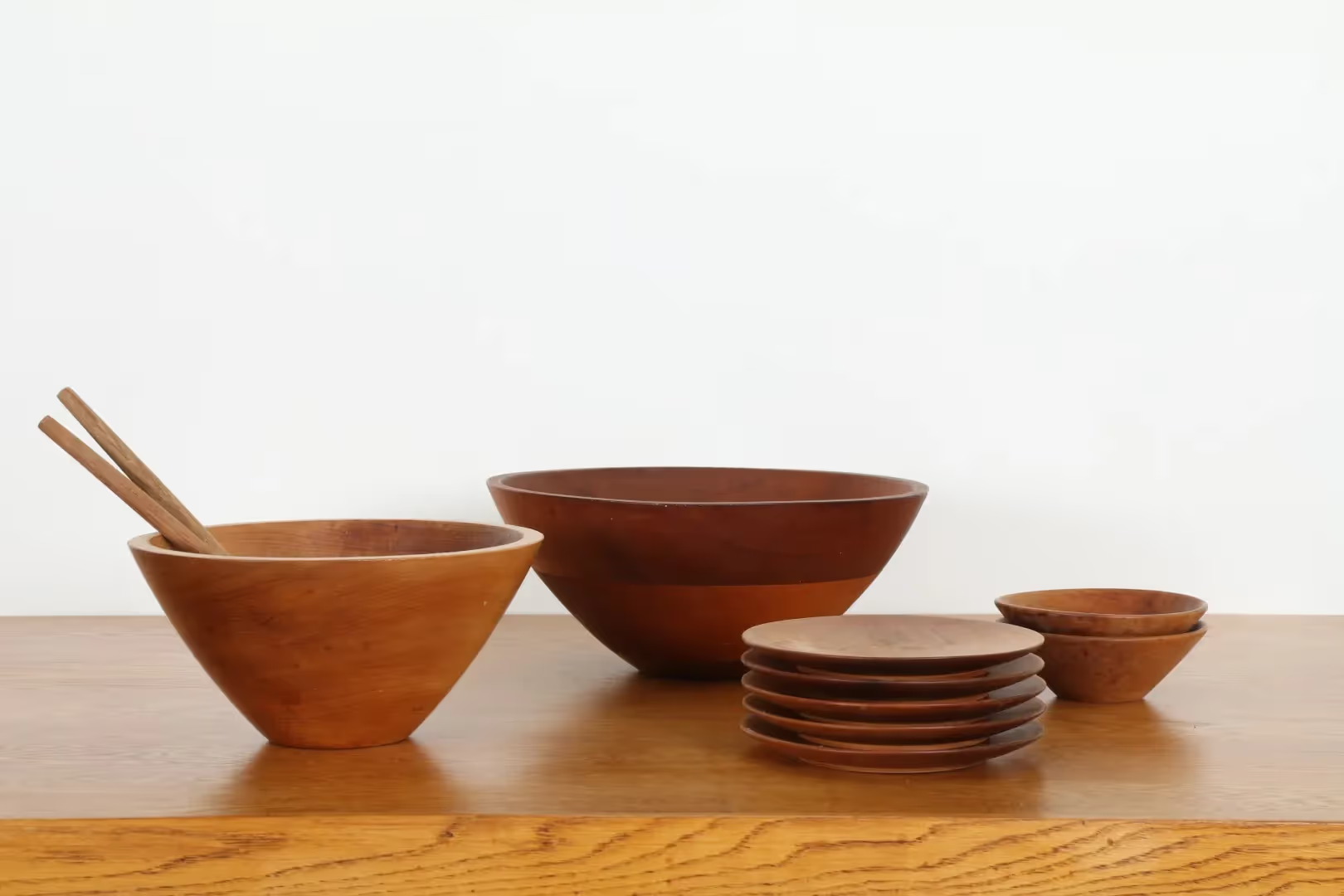
A charming pair of hand-turned bowls by celebrated New Zealand designer John Crichton, crafted from richly grained native kauri timber.
Each bowl showcases Crichton’s signature attention to form and detail, highlighting the natural beauty and warmth of solid kauri. Perfect as a statement piece or for everyday use, these bowls offer a unique blend of timeless design and local craftsmanship.
Each piece is checked and carefully hand restored at our Kingsland studio workshop. Our focus is preserving the character and patina of the design while ensuring it displays beautifully in a contemporary interior...
Each piece is checked and carefully restored at our Kingsland studio workshop. Our focus is preserving the character and patina of the design while ensuring it displays beautifully in a contemporary interior.
- Joints checked and reglued
- Timber cleaned and stains removed
- Veneer repairs if needed
- Surfaces polished / refinished
Our full collection is showcased at our Eden Terrace gallery. We have parking available beside the building and would love to see you.
All pieces are available for collection in person from our Eden Terrace gallery. We are also happy to provide a quote for delivery throughout New Zealand.
Please enquire for delivery options.


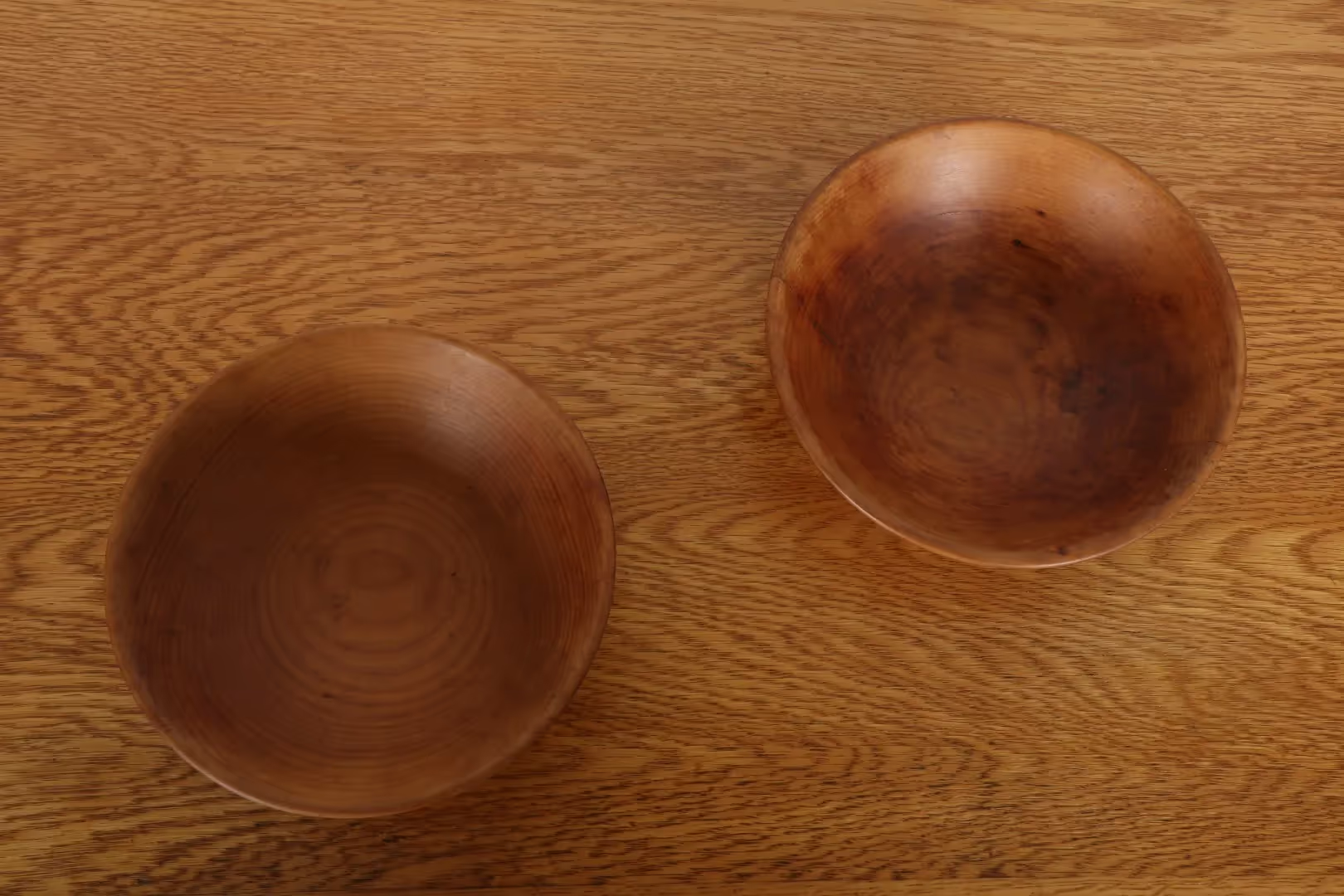
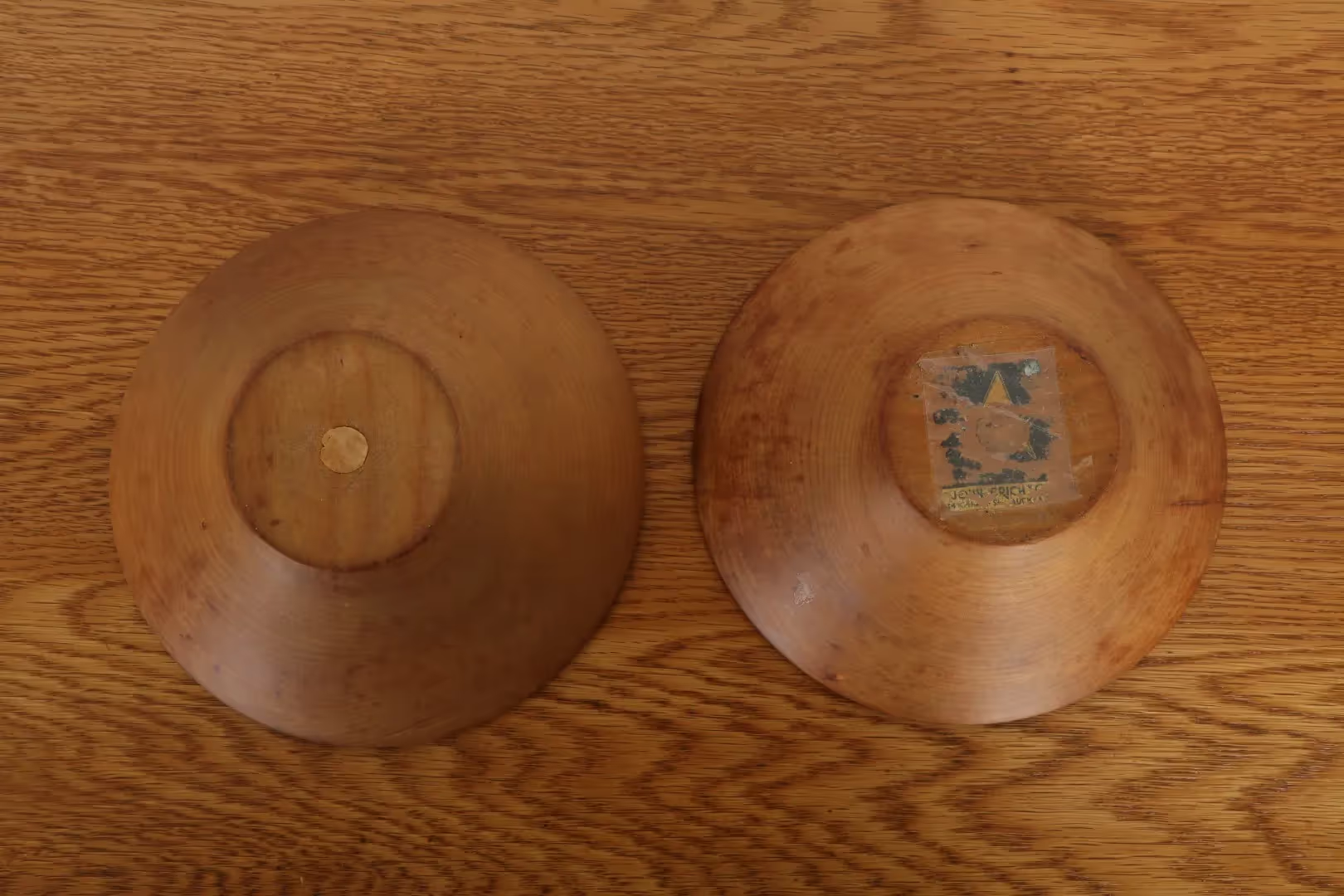
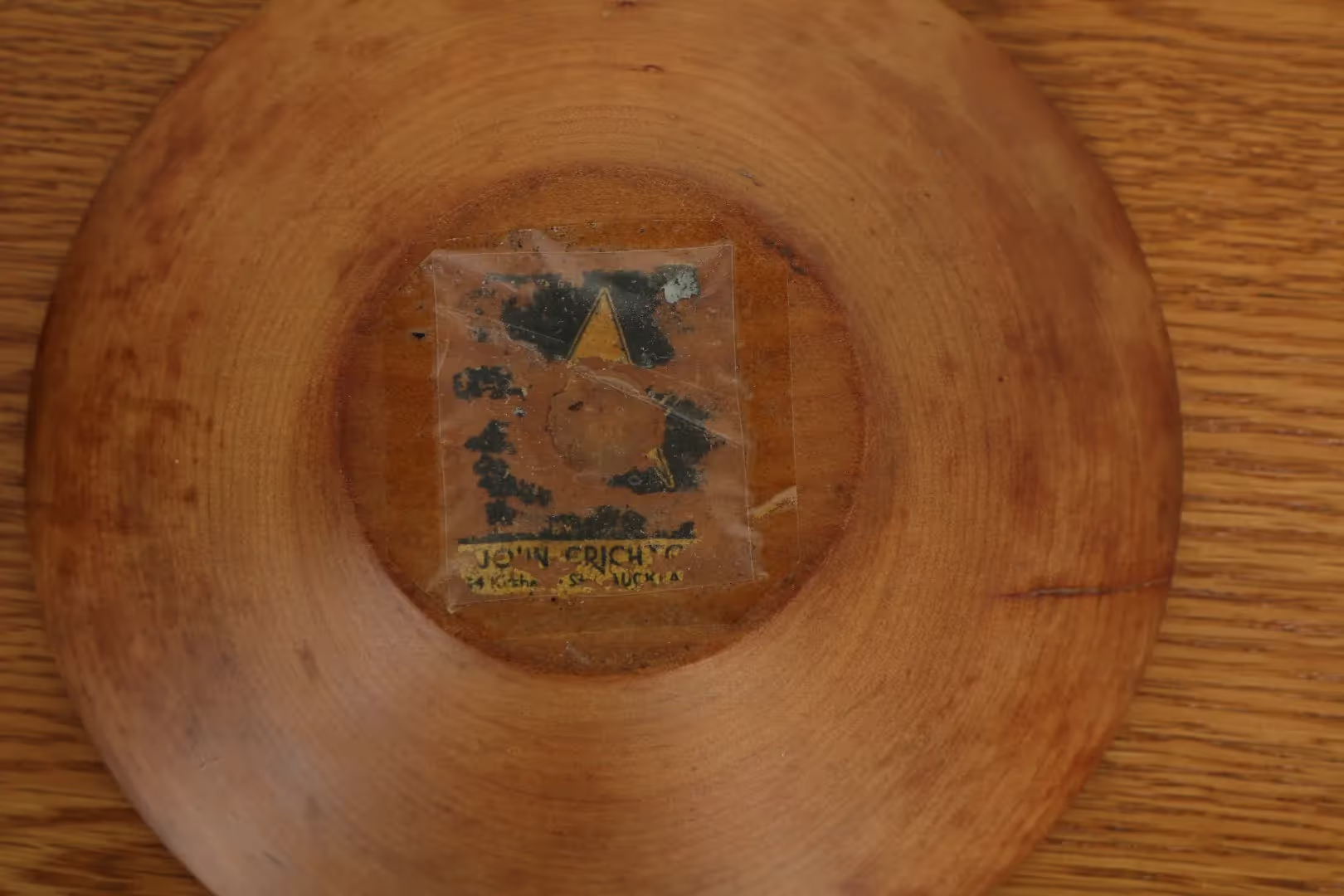


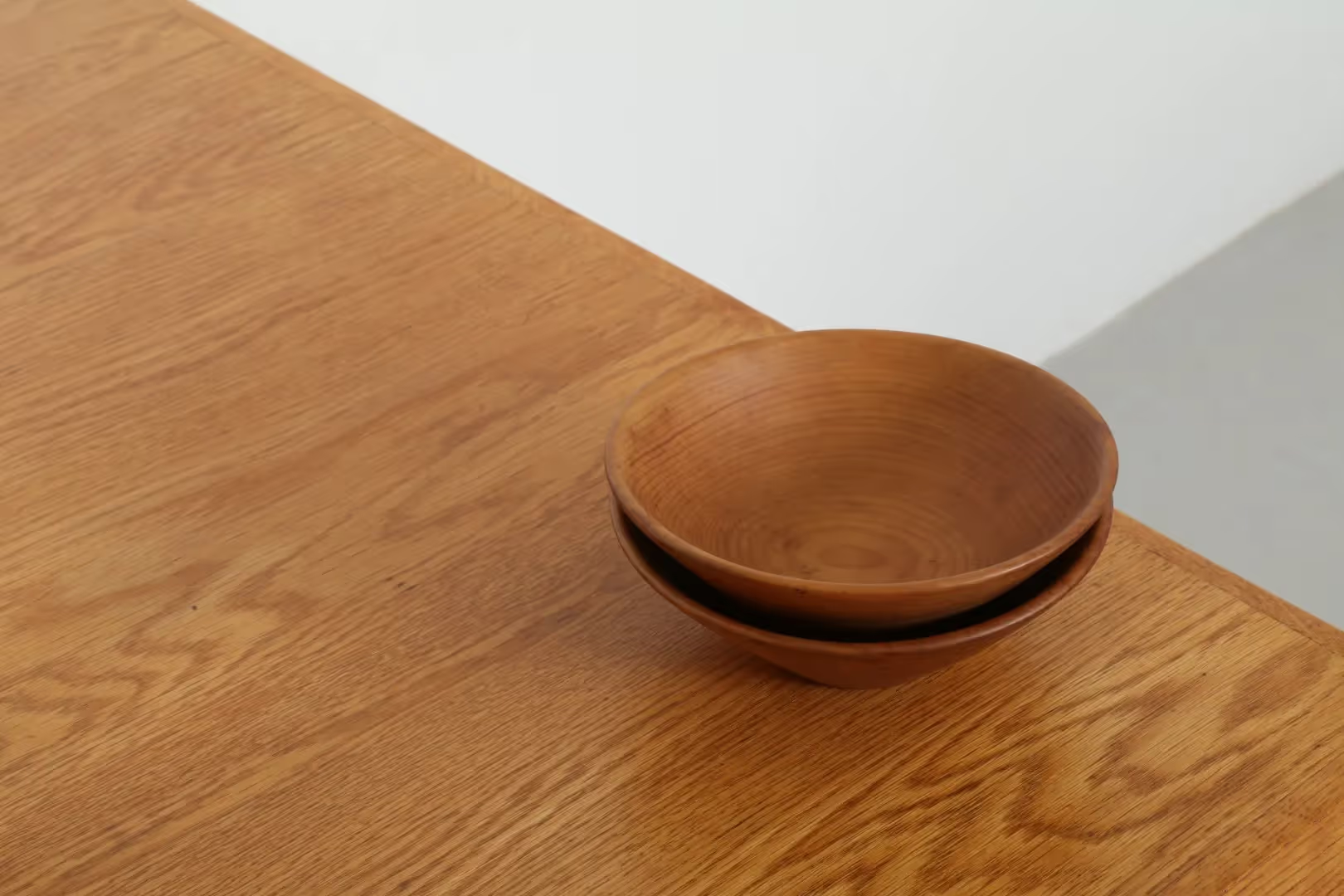

Pair of Cute John Crichton Hand-Turned Kauri Bowls
GOOD FORM, 86 Newton Rd, Eden Terrace, Auckland.

John Crichton (1917–1993) arrived in New Zealand in 1949 with a global perspective shaped by an unusually varied early career. Born in Bombay and trained at the Birmingham College of Art, he spent formative years in England before serving as an official war photographer in Burma during the Second World War. After the war, Crichton worked in interior design in Malaysia, experiences that sharpened his sensitivity to climate, materials and cultural context.
Working from his Kitchener Street studio in Auckland, Crichton designed interiors, furniture, lighting and objects that helped define what would later be described as Pan Pacific Modernism. At a time when New Zealand interiors were largely conservative, he introduced a modern design language that was international in outlook yet grounded in local conditions. Modernist principles of function and restraint were softened through natural fibres, handcrafted elements and Pacific and Asian influences.
Crichton believed good design should belong to everyday life. His use of industrial materials such as tubular steel and mosaic tile was confident but never severe, allowing modern interiors to feel accessible and lived-in. His work was frequently featured in international publications, including Decorative Art: The Studio Yearbook, and today his most recognisable pieces, from lighting and furniture to mosaic bowls, are held in the collections of Te Papa Tongarewa.
Alongside his studio practice, Crichton played a significant role in shaping New Zealand’s design culture as a founding member of the New Zealand Society of Industrial Designers. His work is now recognised not only as a cornerstone of mid-century New Zealand modernism, but as an enduring model for thoughtful, context-driven design.