Garth Chester : Master of Modernism

Garnet Campbell (Garth) Chester is widely regarded as New Zealand's most important modernist designer. His work is held in major museum collections and he his work receives interest internationally. Here we survey some of his most memorable objects including our recent acquisition of an original condition dining suite, crafted from formica, steel, plywood and vinyl upholstery. Chester's most coveted design is the Curvesse chair, created from a custom mould using a single sheet of plywood.
The Curvesse chair is not only a feat of design, it is a wonderful object to photograph – we have enjoyed pairing it with other objects from the time and creating refreshed imagery of this piece with our New Zealand Collections. At from every angle, its three dimensional qualities and humble materials offer a unique, sculptural and collectable moment of New Zealand design history.
.webp)
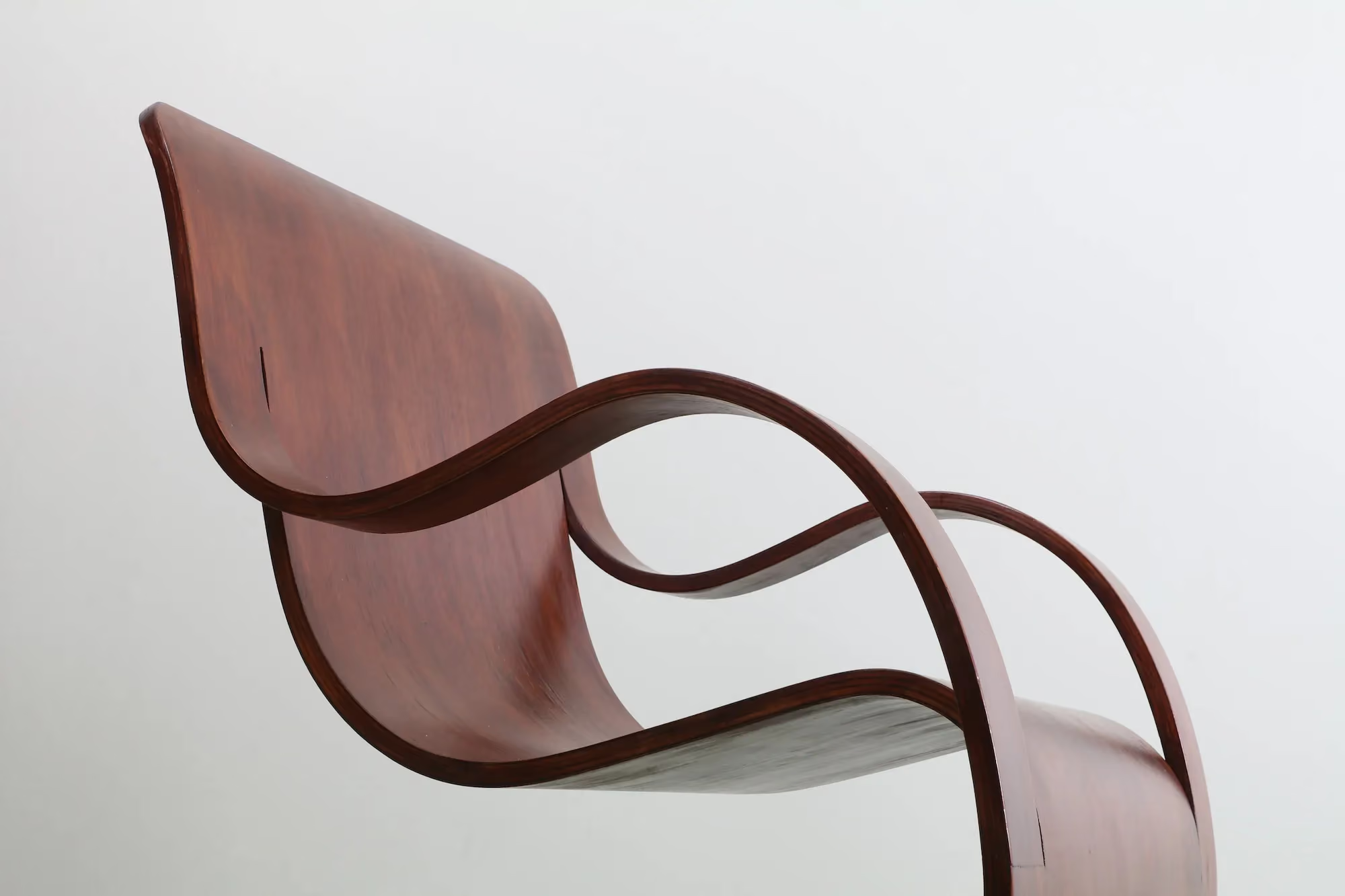
Archive Image / Detail of the Curvesse Chair by Garth Chester (1944). Few examples remain of this ground breaking chair. We have one available for sale currently.
Historian and Author Douglas Lloyd-Jenkins recounts that the Curvesse Chair, designed in 1944, was "the first one-piece cantilevered plywood chair to appear anywhere in the world ...a progressive high point in local design" (At Home - A Century of New Zealand Design). It's proof that in the right hands, even a humble sheet of plywood can be elevated into something bold, memorable and timeless.
During the early days, manufacturing technology was a barrier to smooth construction for many of Chester's designs. According to Chester's cousin and business partner A.L. Williams, 1 out of every 4 Curvesse chairs produced, failed, and was thrown away. Also, the Curvesse was unfortunately not a commercial success and only around 500 were ever made. Today the few remaining chairs are closely held and highly coveted by serious collectors, or in the permanent collection of major museums.
One of Chester's employees, Jim Reid recalls working for Garth not long after he left school. He remembers that Garth used native Kaikatia timber and glue imported from Japan to make his chairs and he was very secretive about the production process. When Jim arrived at work he had to knock and wait for Garth to check him out through a peep hole in the door before he let him in.
Unfortunately a mysterious fire burnt down Chester's workshop and destroyed all the presses and production equipment in the process. This lead to a change in direction for Chester who then moved to designing steel-framed furniture. In the 1950s he created another iconic design – the Bikini chair. It was a three legged chair with a Bikini style backrest and was bound to have caused a stir with the ever conservative New Zealand public.
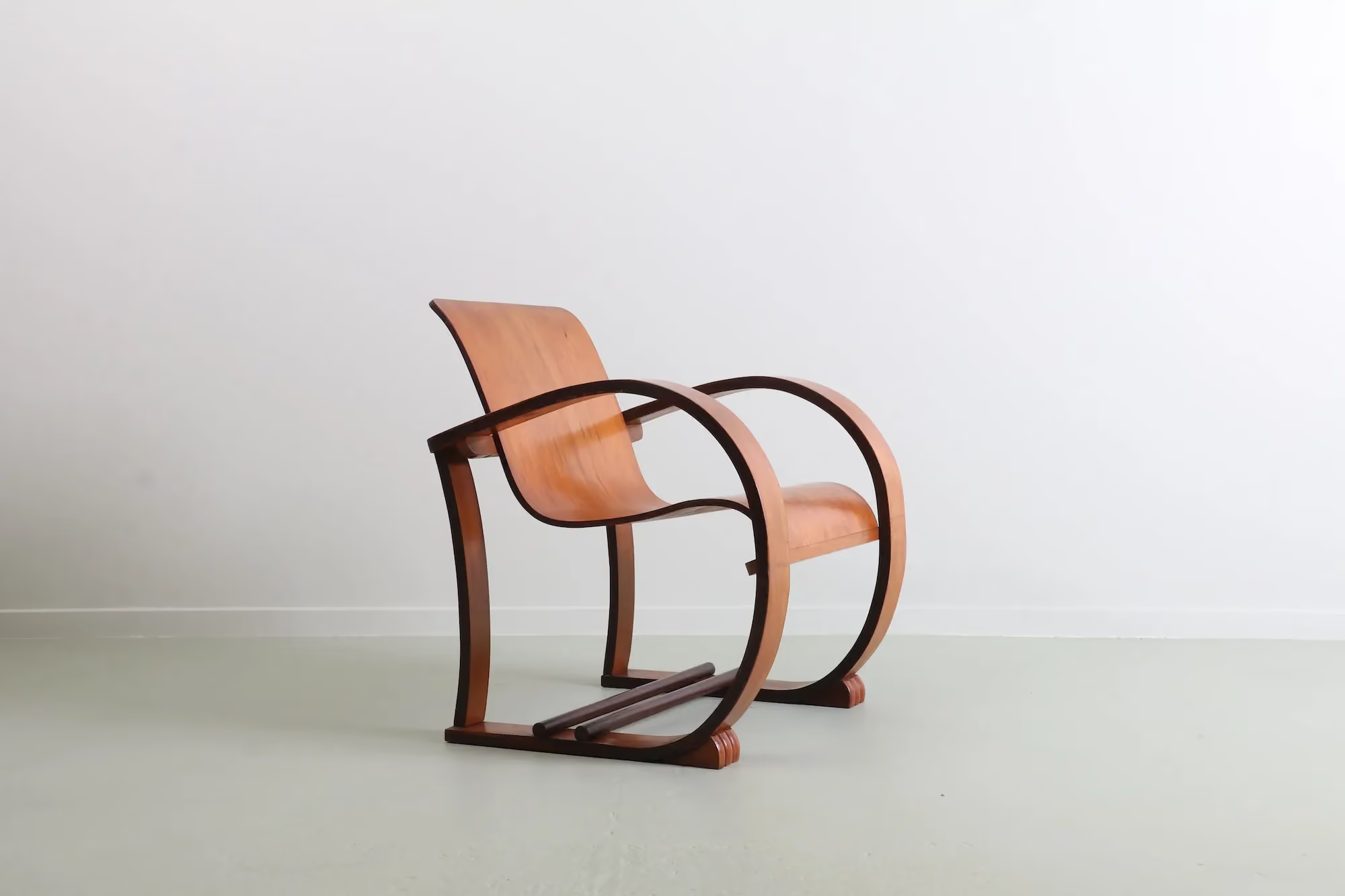
Archive Image / 1947 Nicholson Chapel Curved Plywood Chair by Garth Chester. Currently available with a slight variation to the frame.
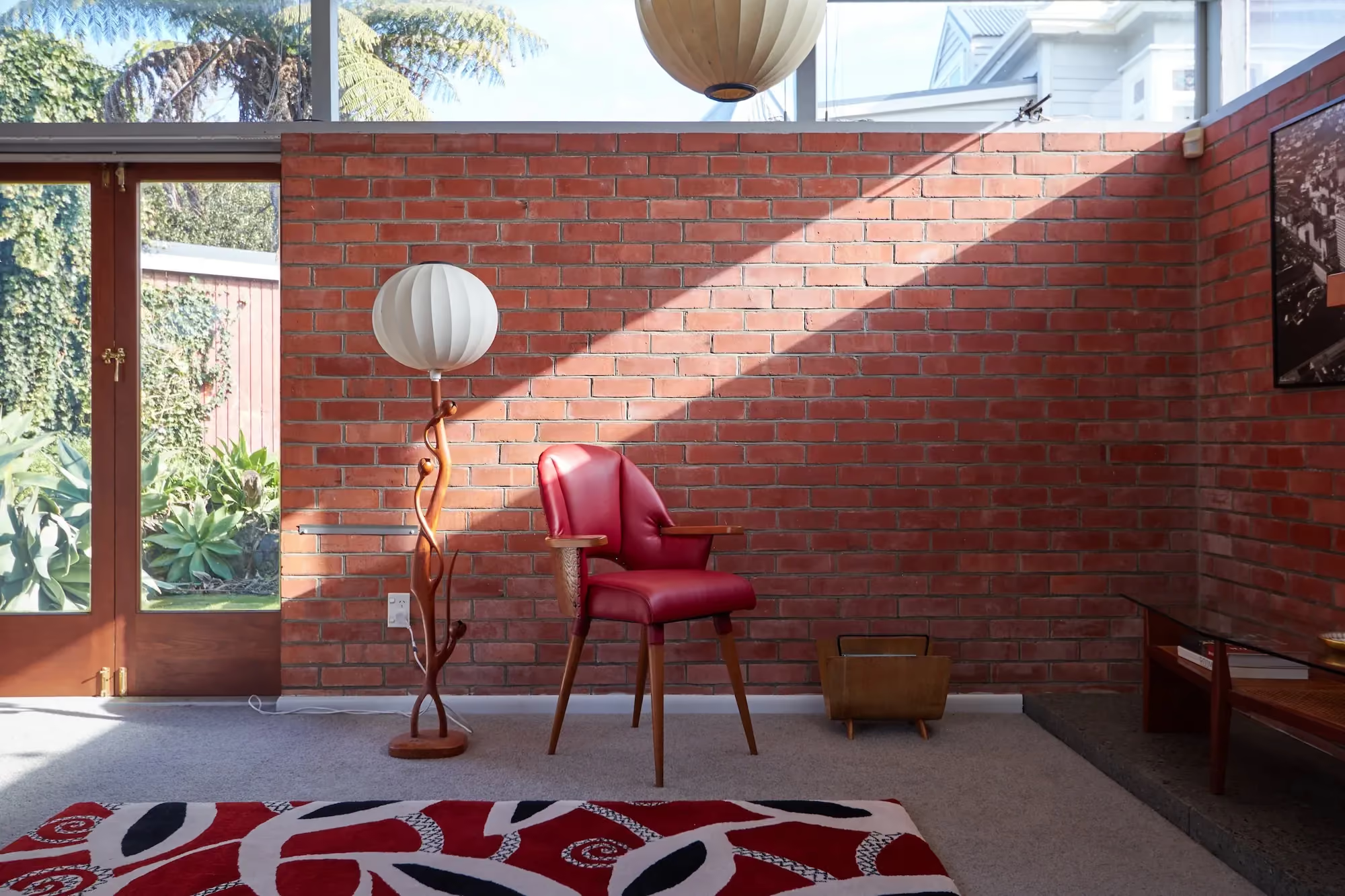
Archive Image / Chair for Winter's Hairdressing Salon by Garth Chester, 1950s. Featured as part of our first New Zealand Collection in 2017 at Thom House by James Hackshaw (1954).
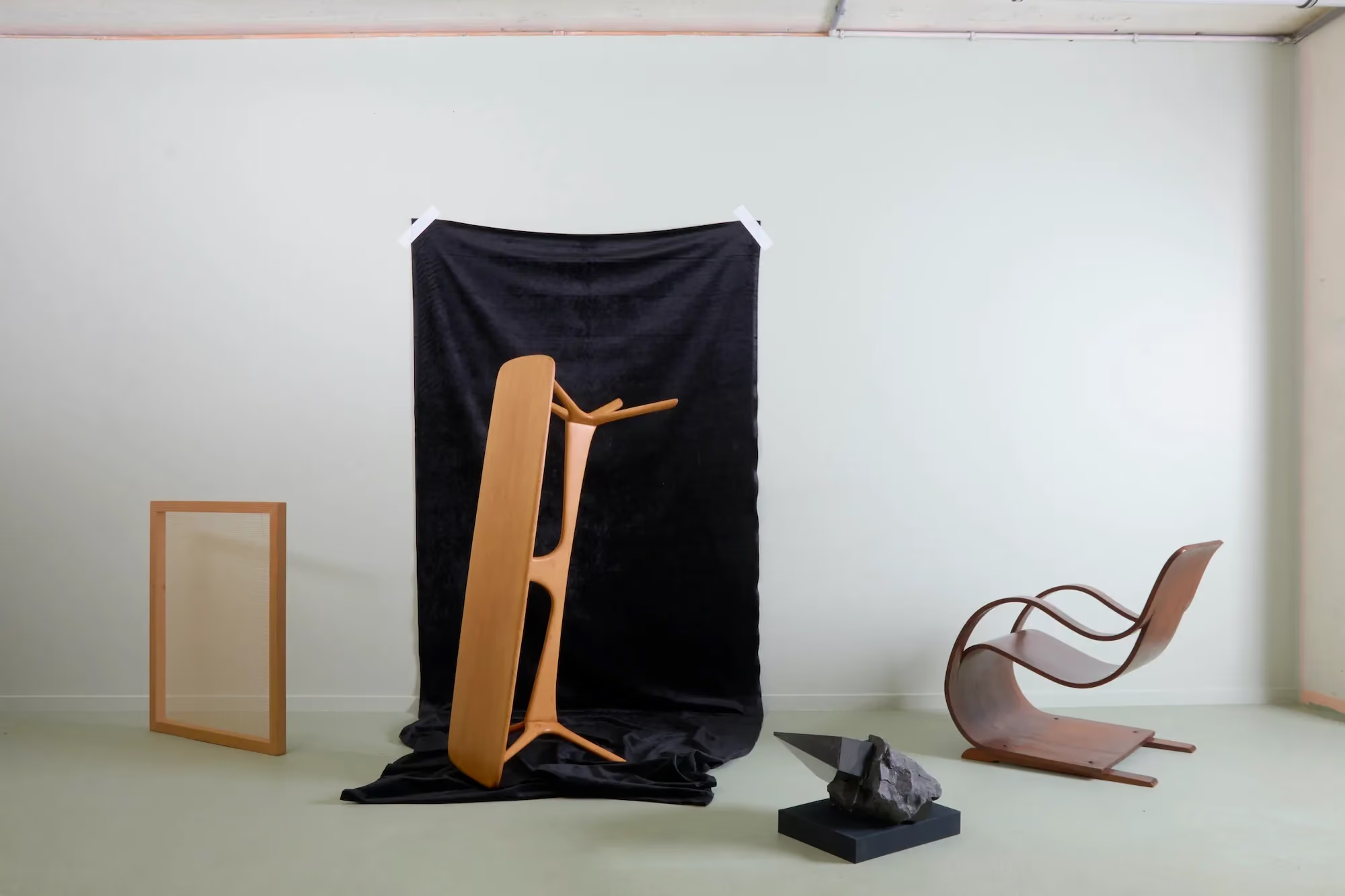
Archive Image / Curvesse Chair by Garth Chester (1944) featured with other pieces from the New Zealand Collection of 2020, together with artwork by Chauncey Flay and Rachel Hope-Peary from Laree Payne Gallery.
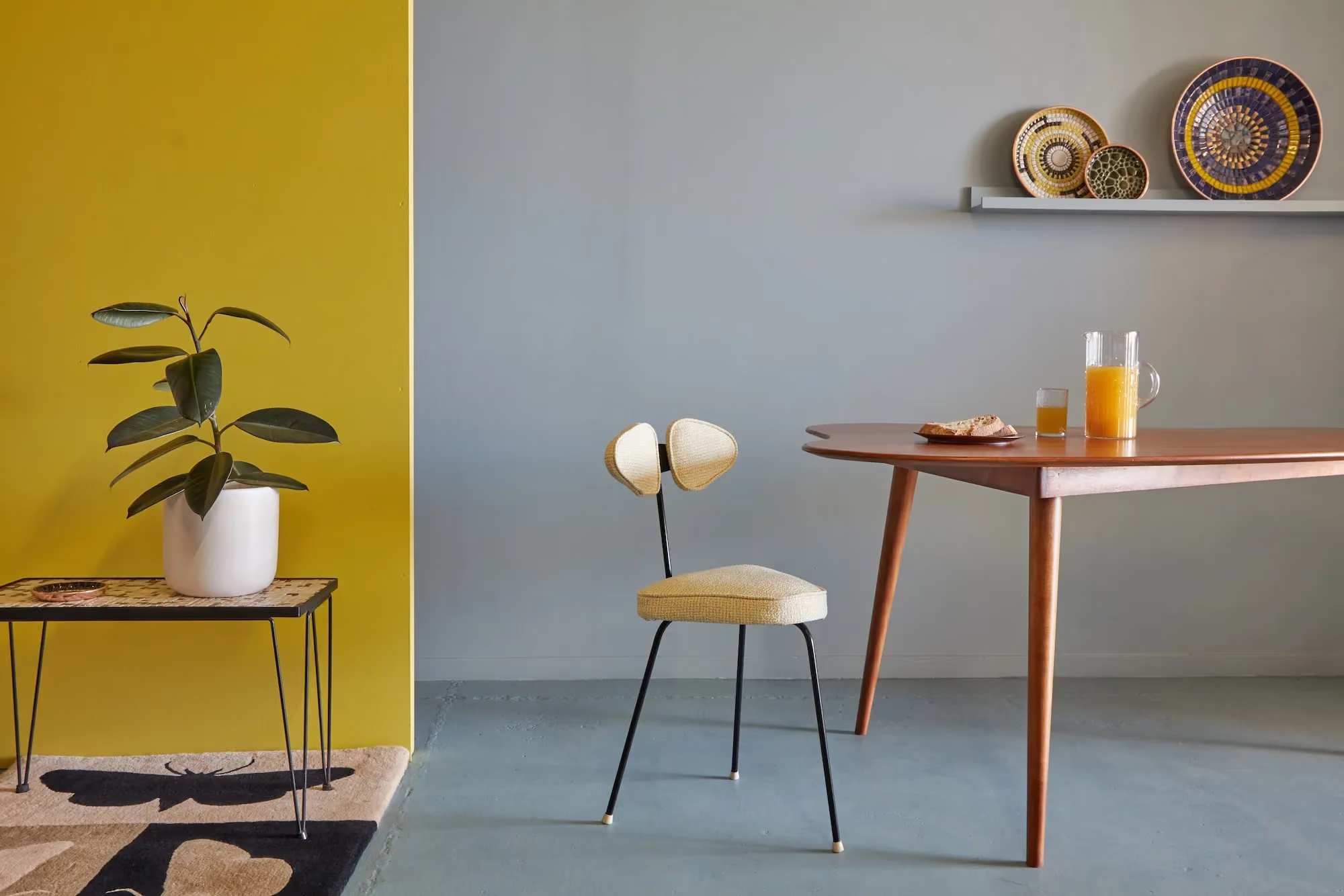
Archive Image / Bikini Chair by Garth Chester, 1950s. Featured as part of our New Zealand Modern Collection, 2019.
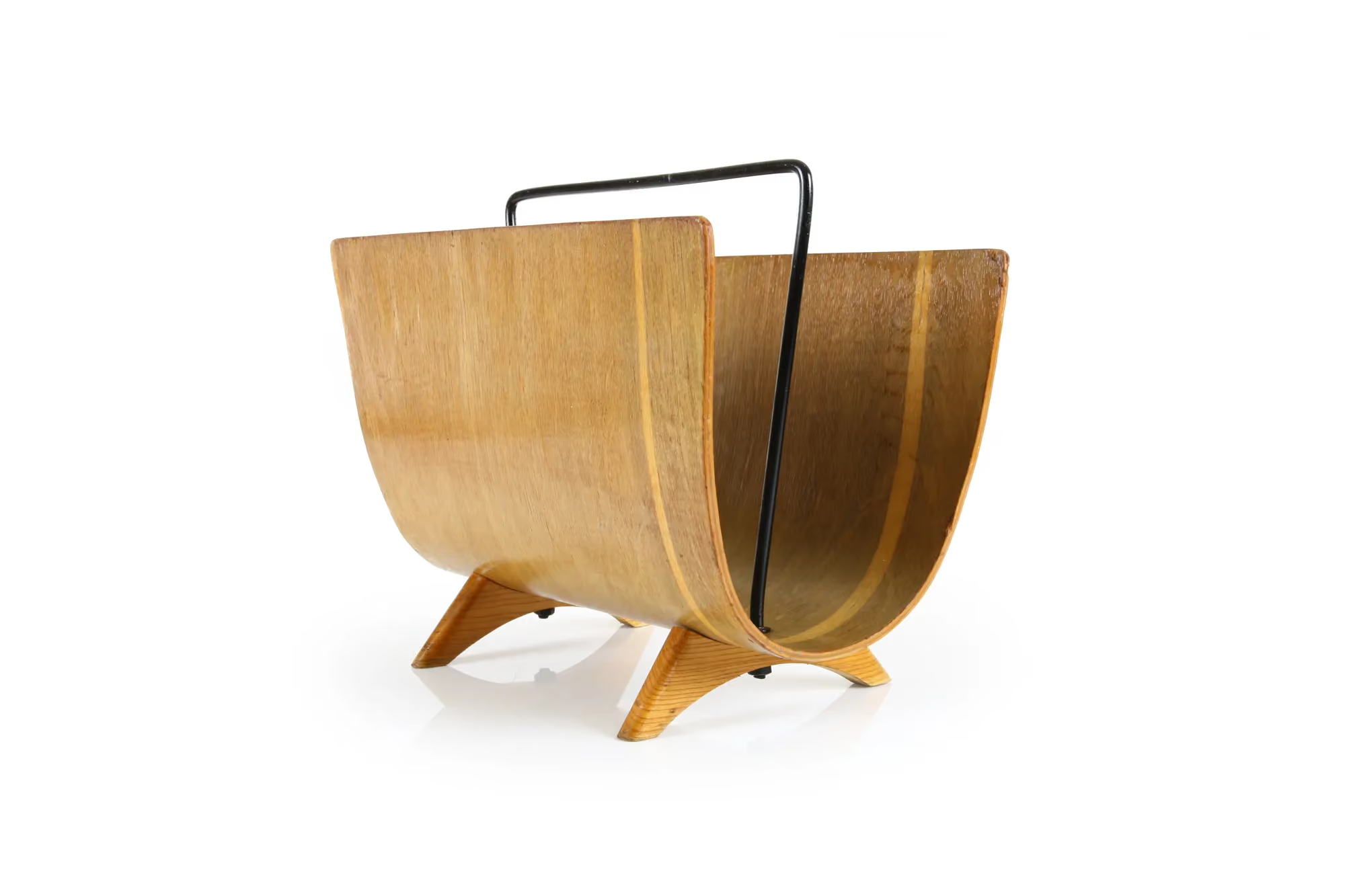
Archive Image / Magazine Rack by Garth Chester, 1950s.
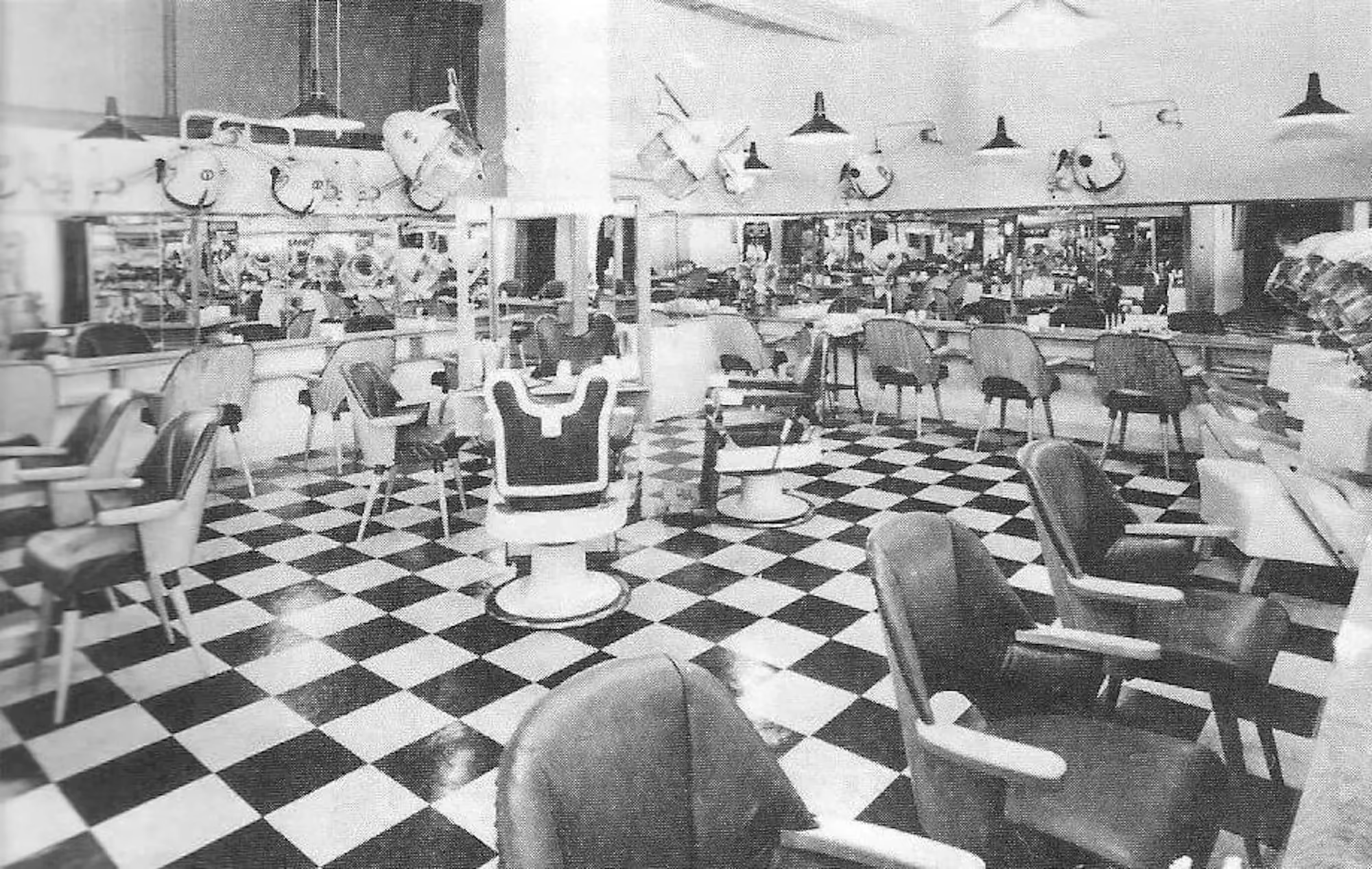
Winters Beauty Salon Garth Chester Furniture.
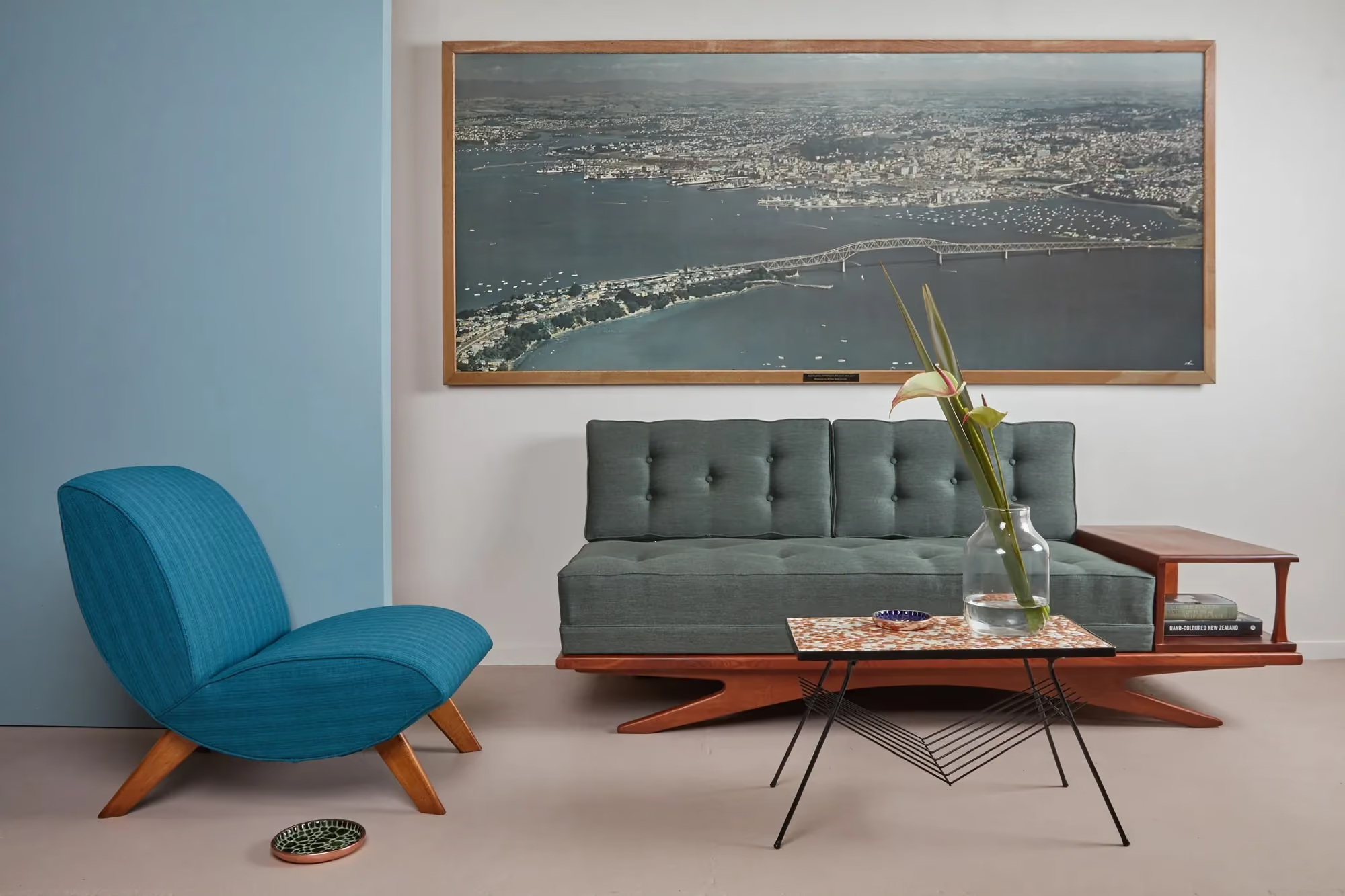
Archive Image / Astoria Chair by Garth Chester, 1954 featured with furniture and objects from the New Zealand Modern Collection, 2018.
.avif)
Hairdryer Chair for Winter's Hairdressing Salon by Garth Chester, 1950s.
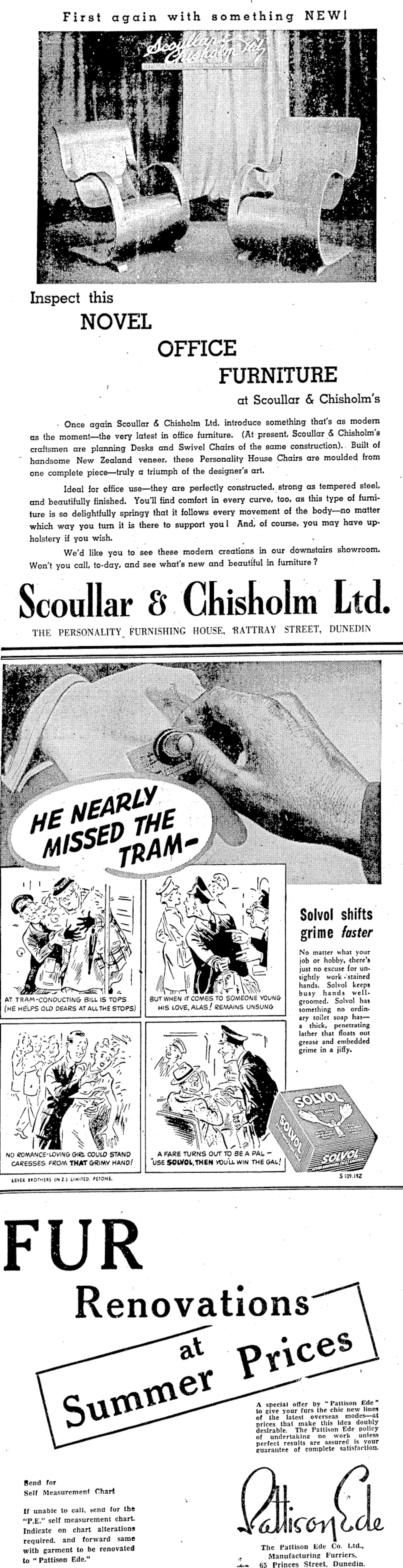
Vintage Image / Curvesse Chair featured in advertising by Scoullar & Chisholm, 1950s.

.avif)