Refined Harry Ostergaard Dining Table by Randers Mobelfabrik
.svg)
.svg)
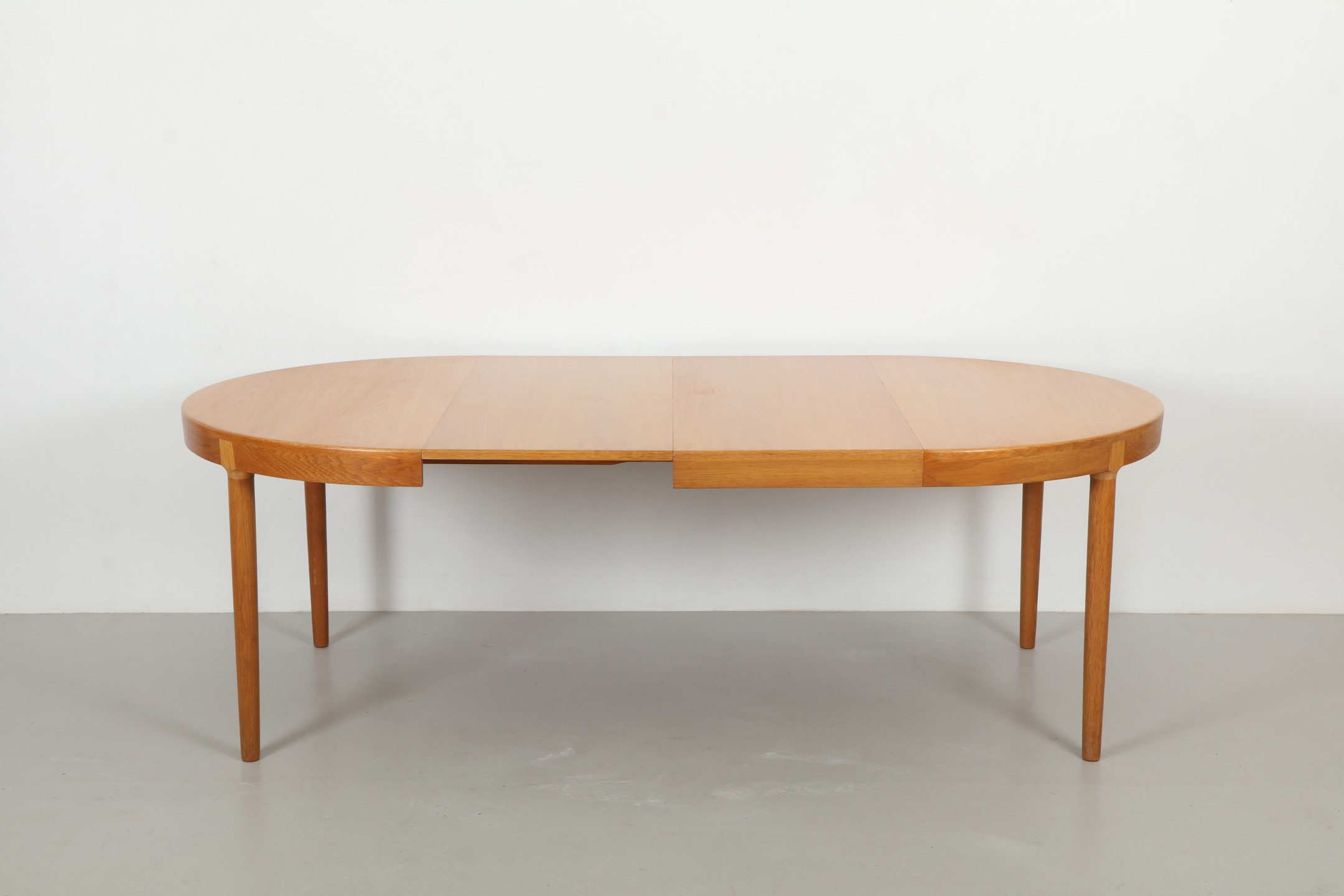
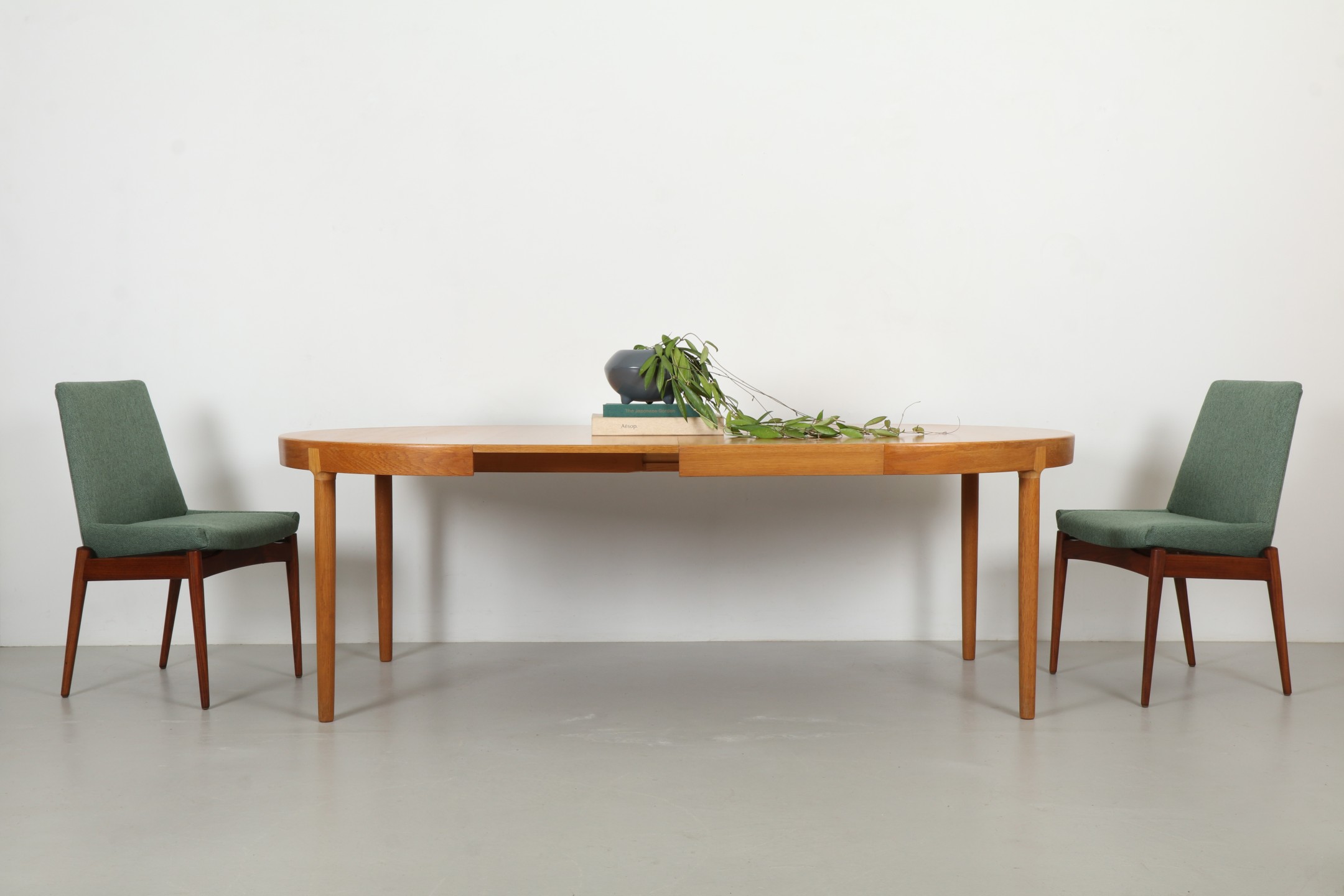
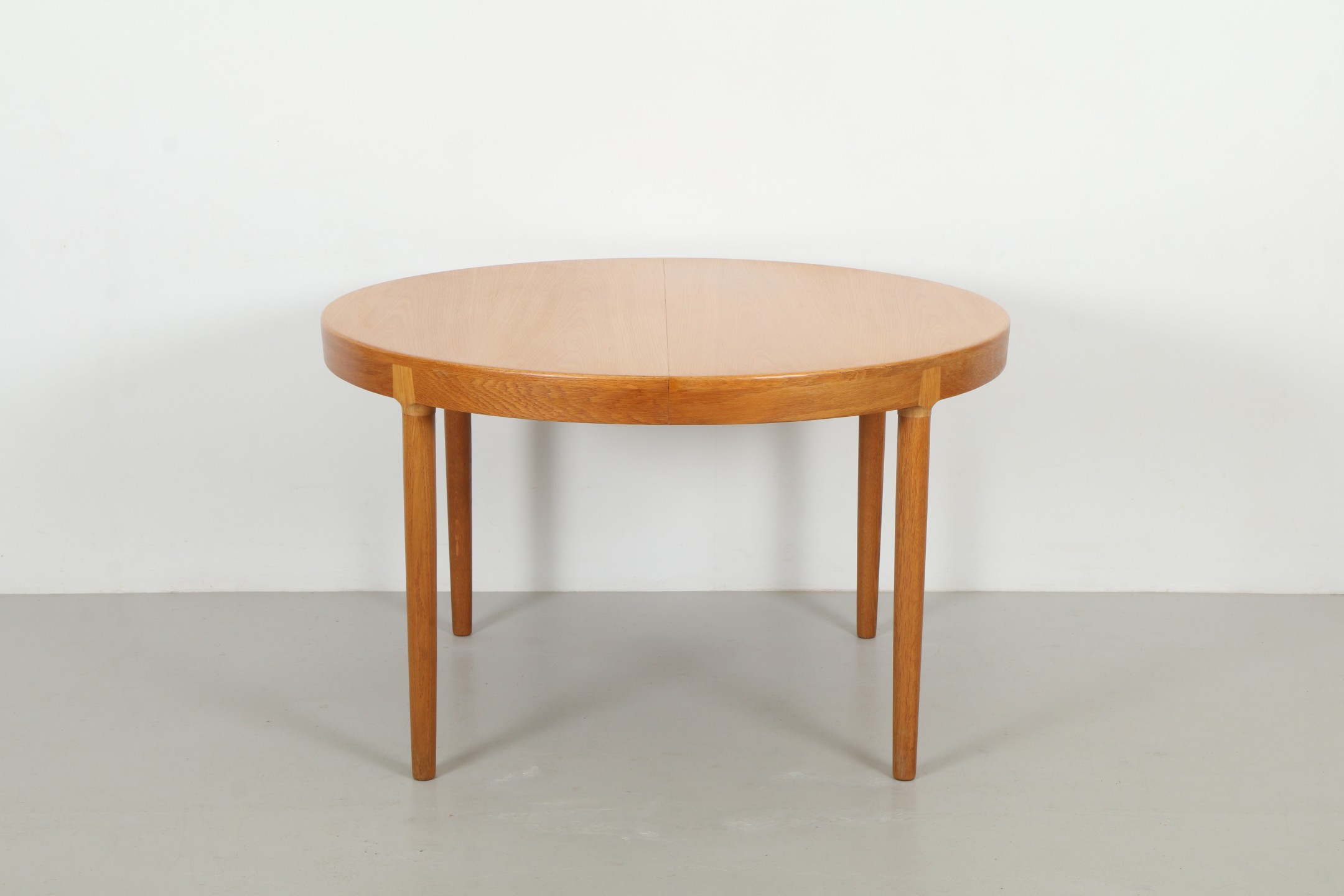
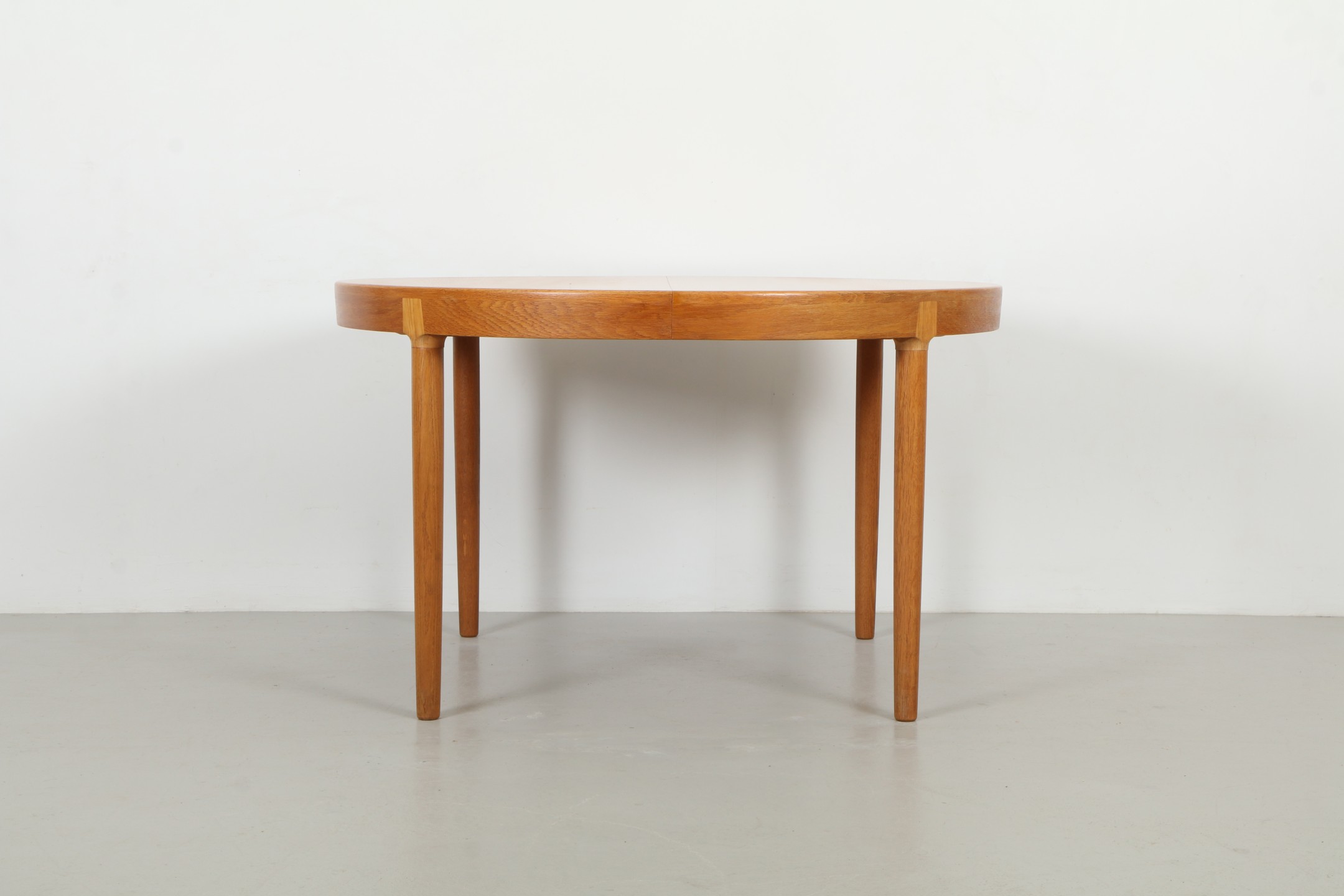
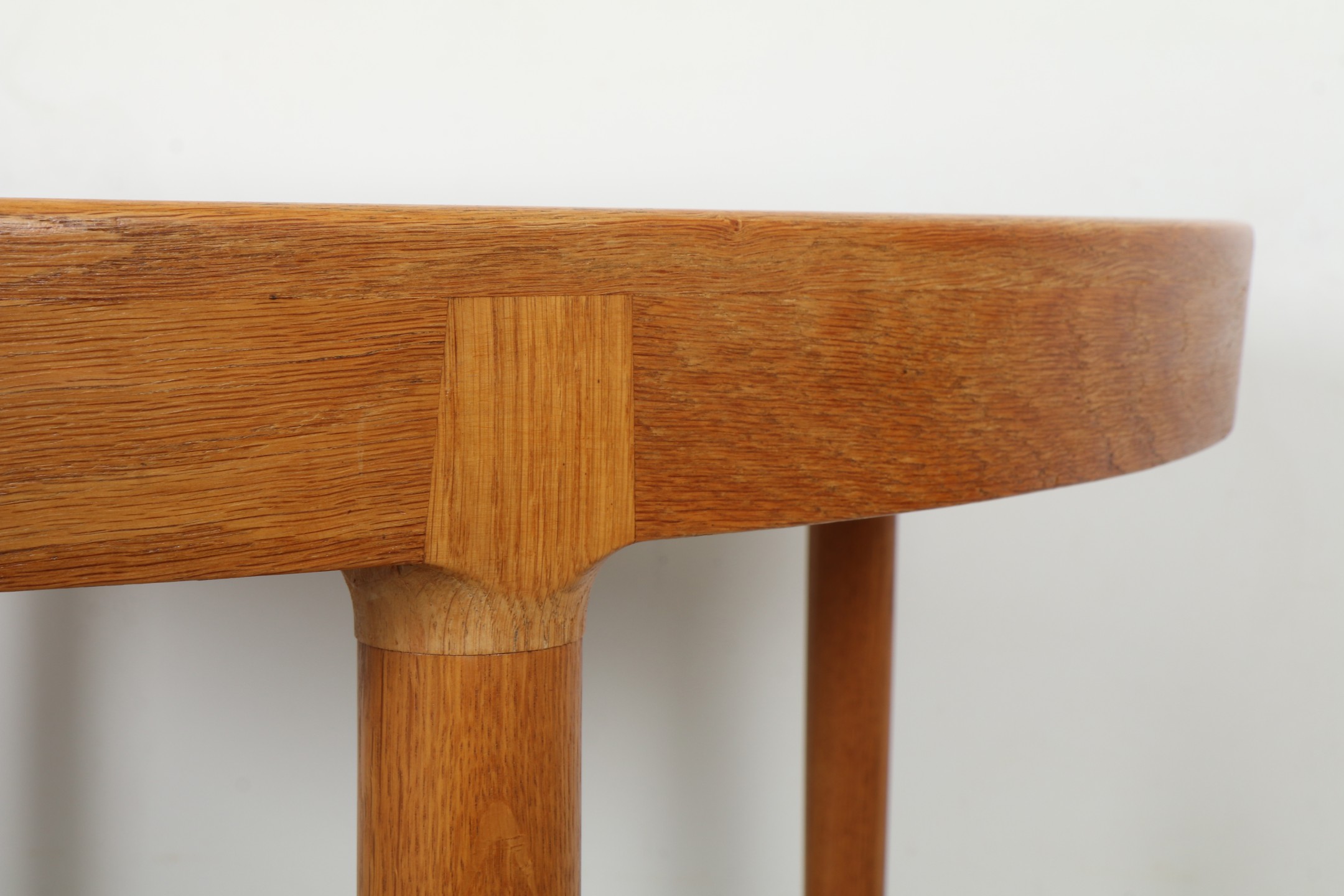
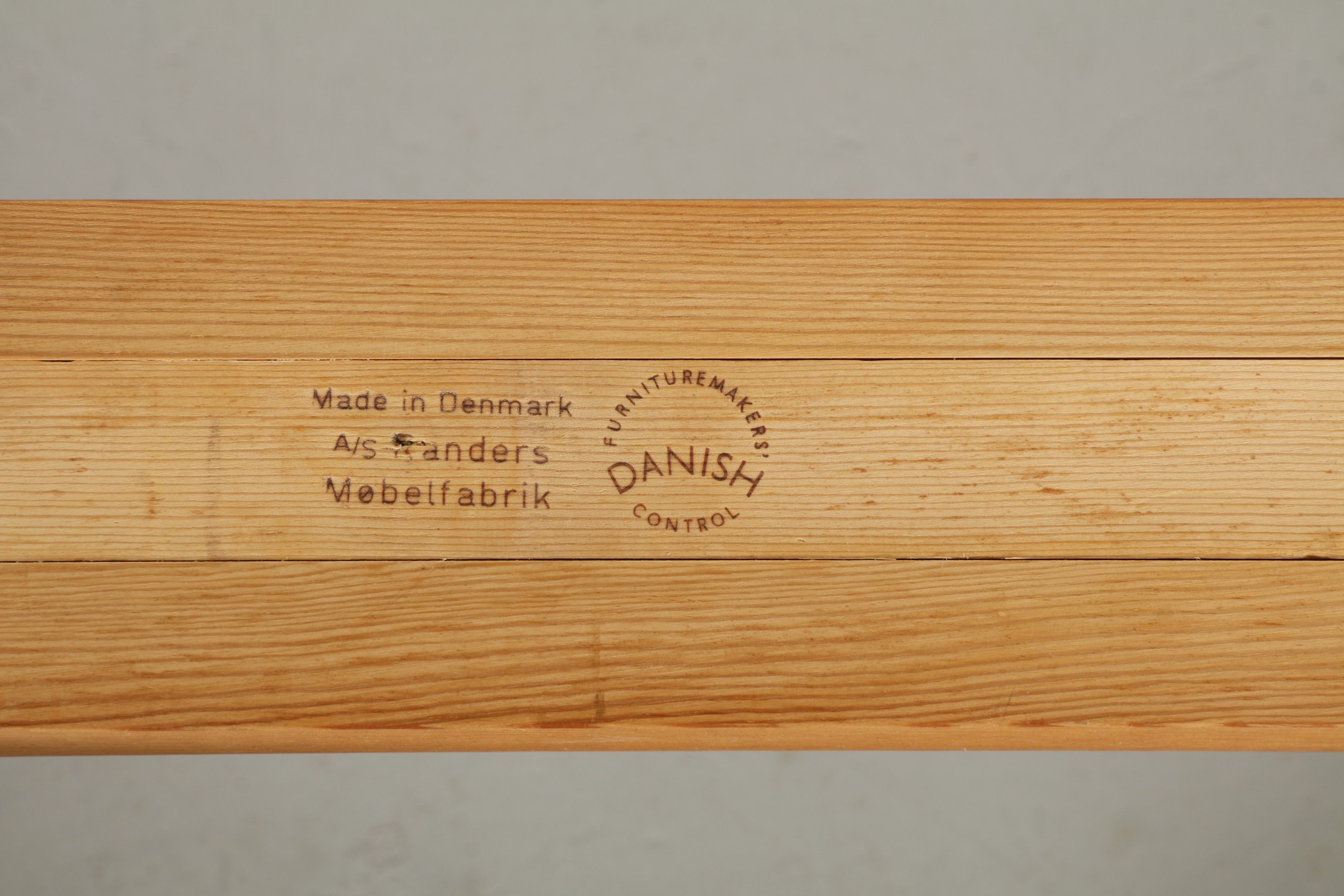
A beautifully resolved Danish dining table by Harry Østergaard for Randers Møbelfabrik, crafted in warm oak with a refined round top and elegantly tapered legs. The distinctive clashed leg join gives the piece a sense of architectural character, balancing sculptural restraint with thoughtful craftsmanship.
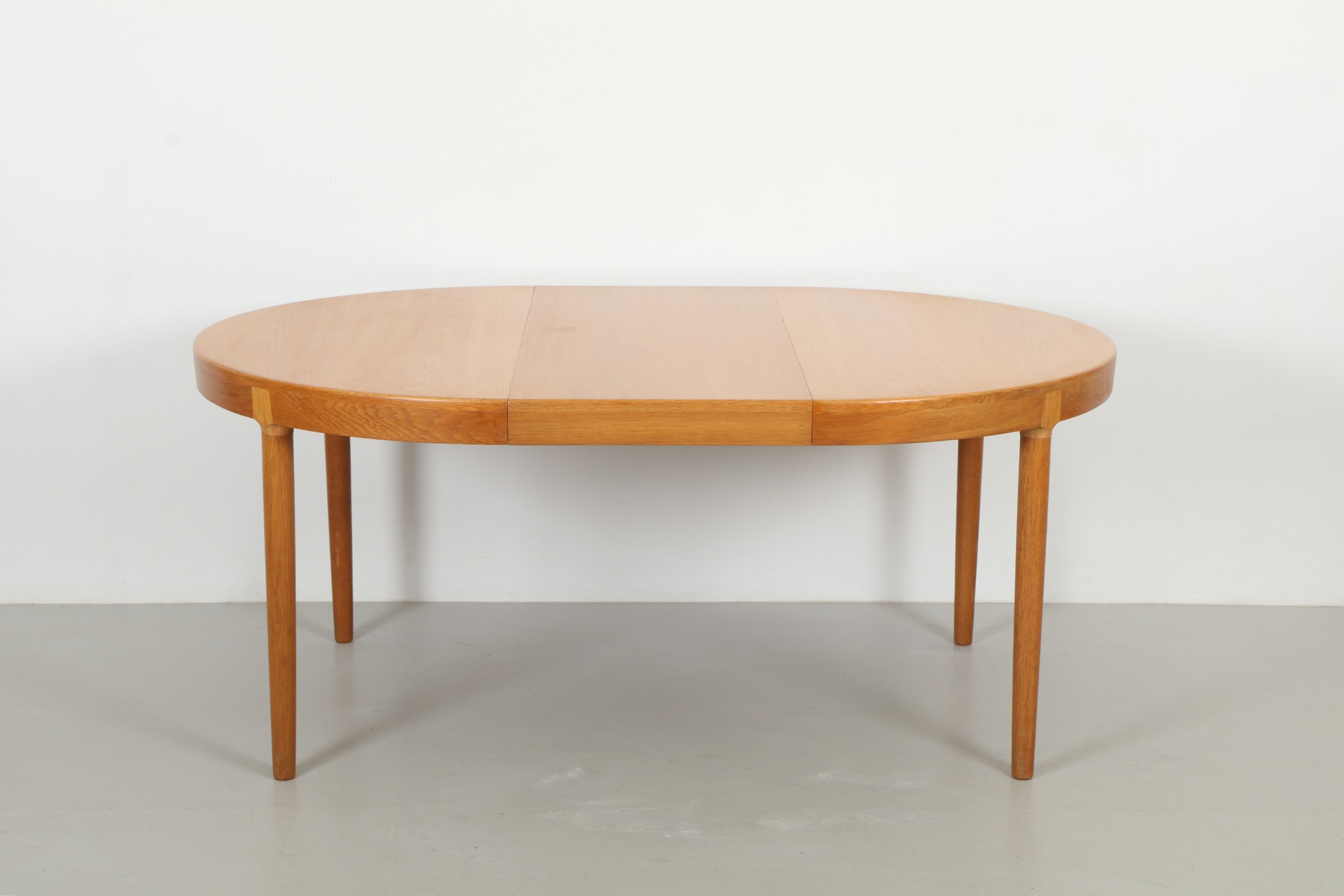
Designed during Denmark’s great mid-century period, it expands with two extension leaves to move easily from intimate dining to larger gatherings. A versatile and considered piece from one of the era’s enduring cabinetmakers.
Each piece is checked and carefully hand restored at our Kingsland studio workshop. Our focus is preserving the character and patina of the design while ensuring it displays beautifully in a contemporary interior...
Each piece is checked and carefully restored at our Kingsland studio workshop. Our focus is preserving the character and patina of the design while ensuring it displays beautifully in a contemporary interior.
- Joints checked and reglued
- Timber cleaned and stains removed
- Veneer repairs if needed
- Surfaces polished / refinished
Our full collection is showcased at our Eden Terrace gallery. We have parking available beside the building and would love to see you.
All pieces are available for collection in person from our Eden Terrace gallery. We are also happy to provide a quote for delivery throughout New Zealand.
Please enquire for delivery options.
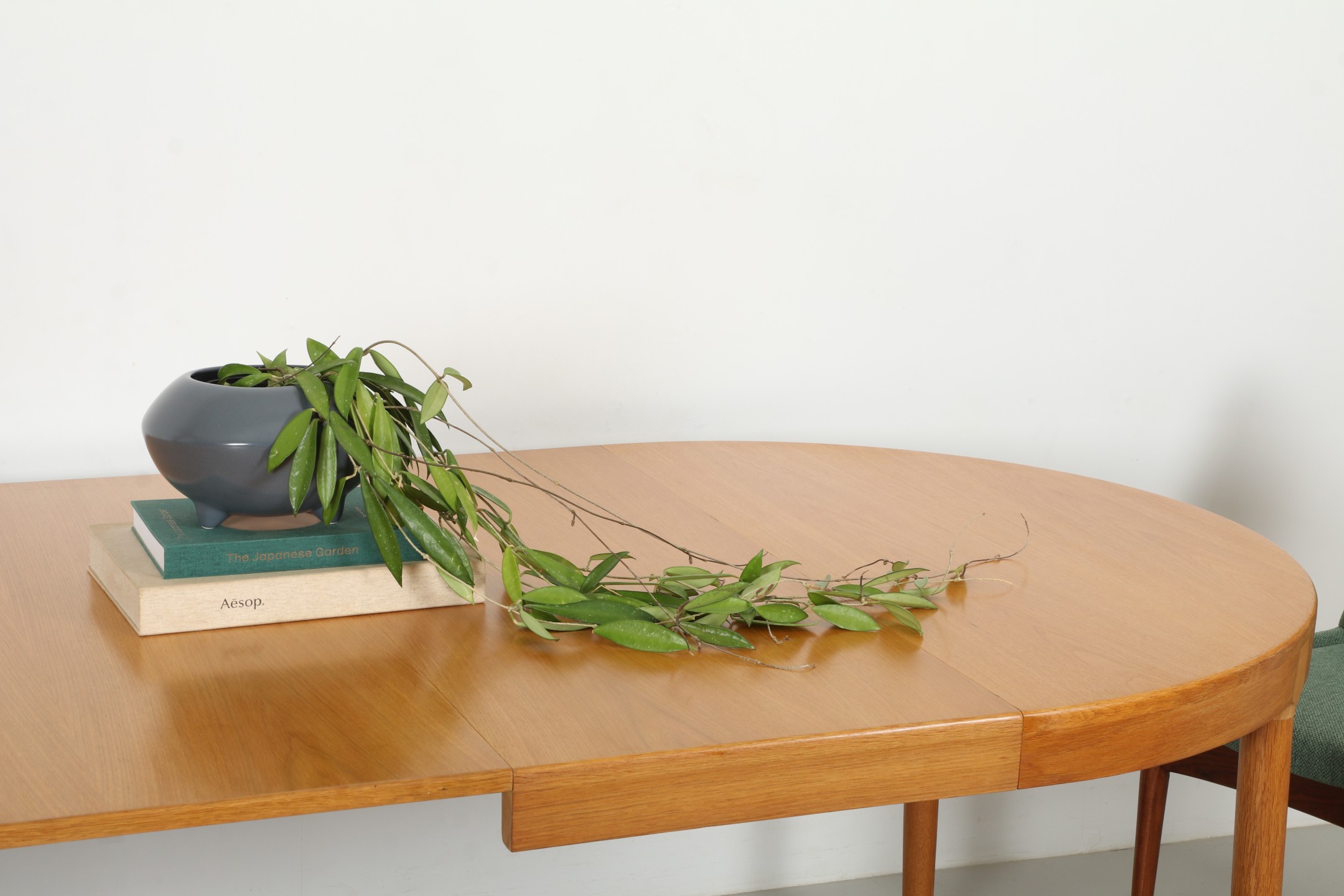

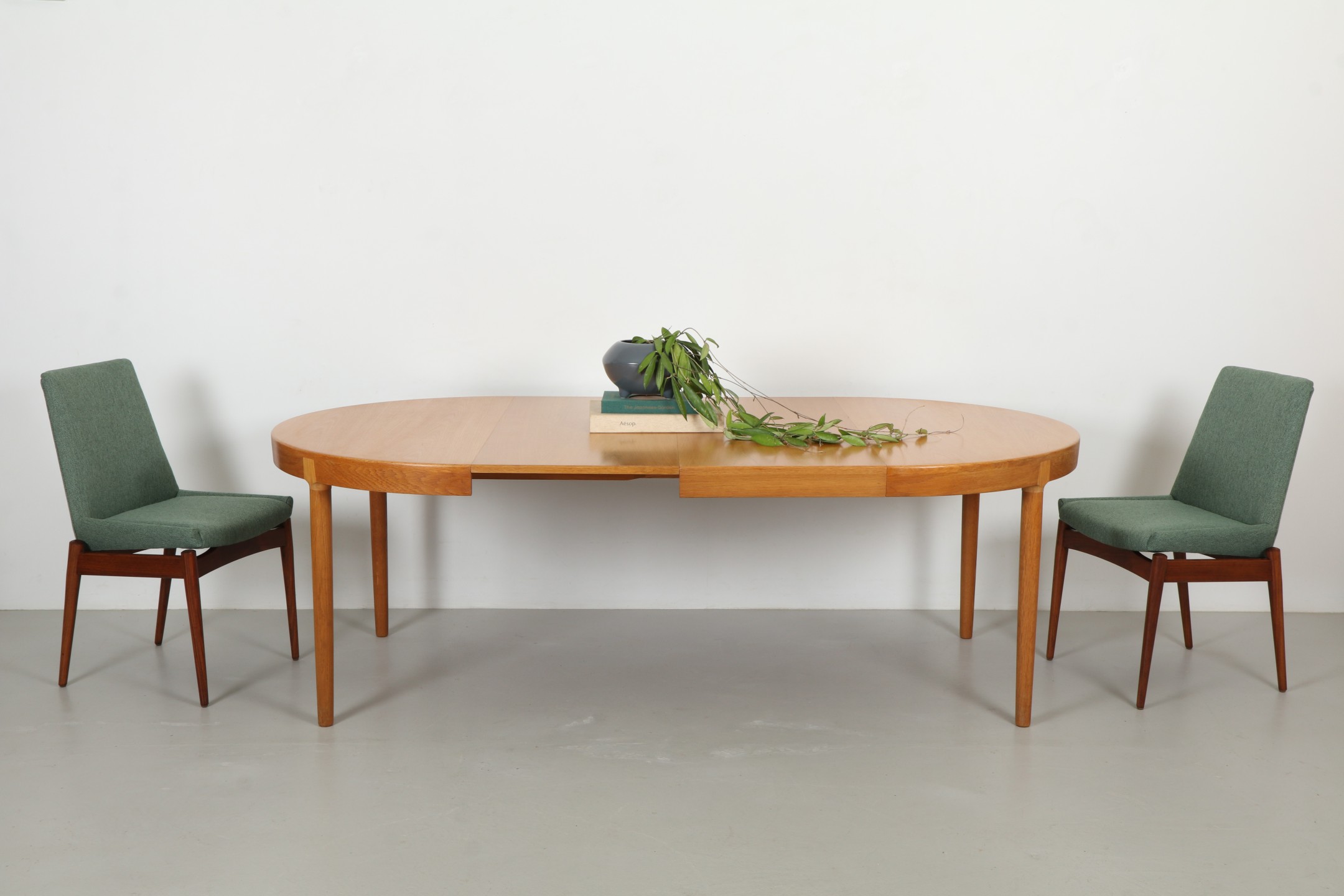
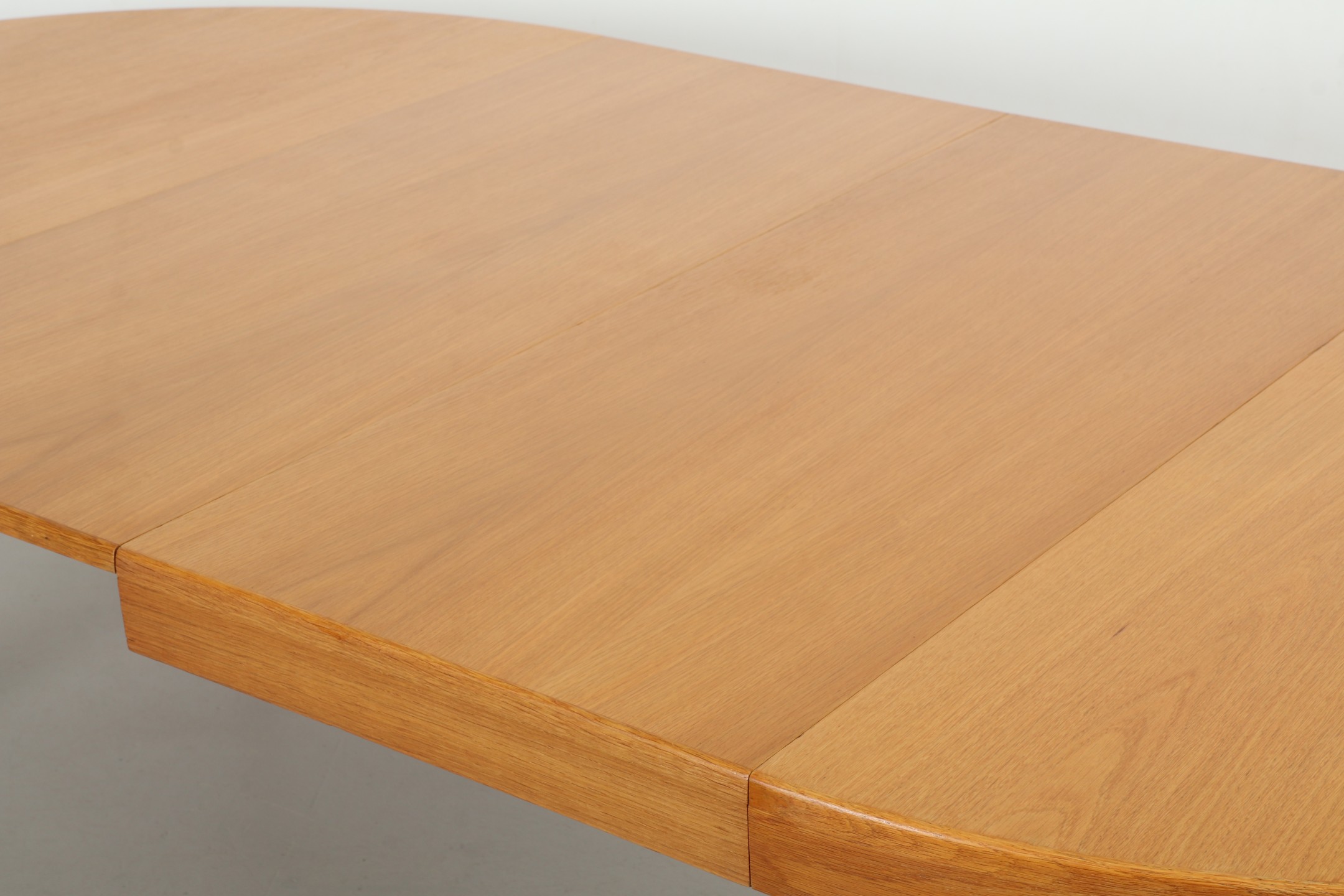
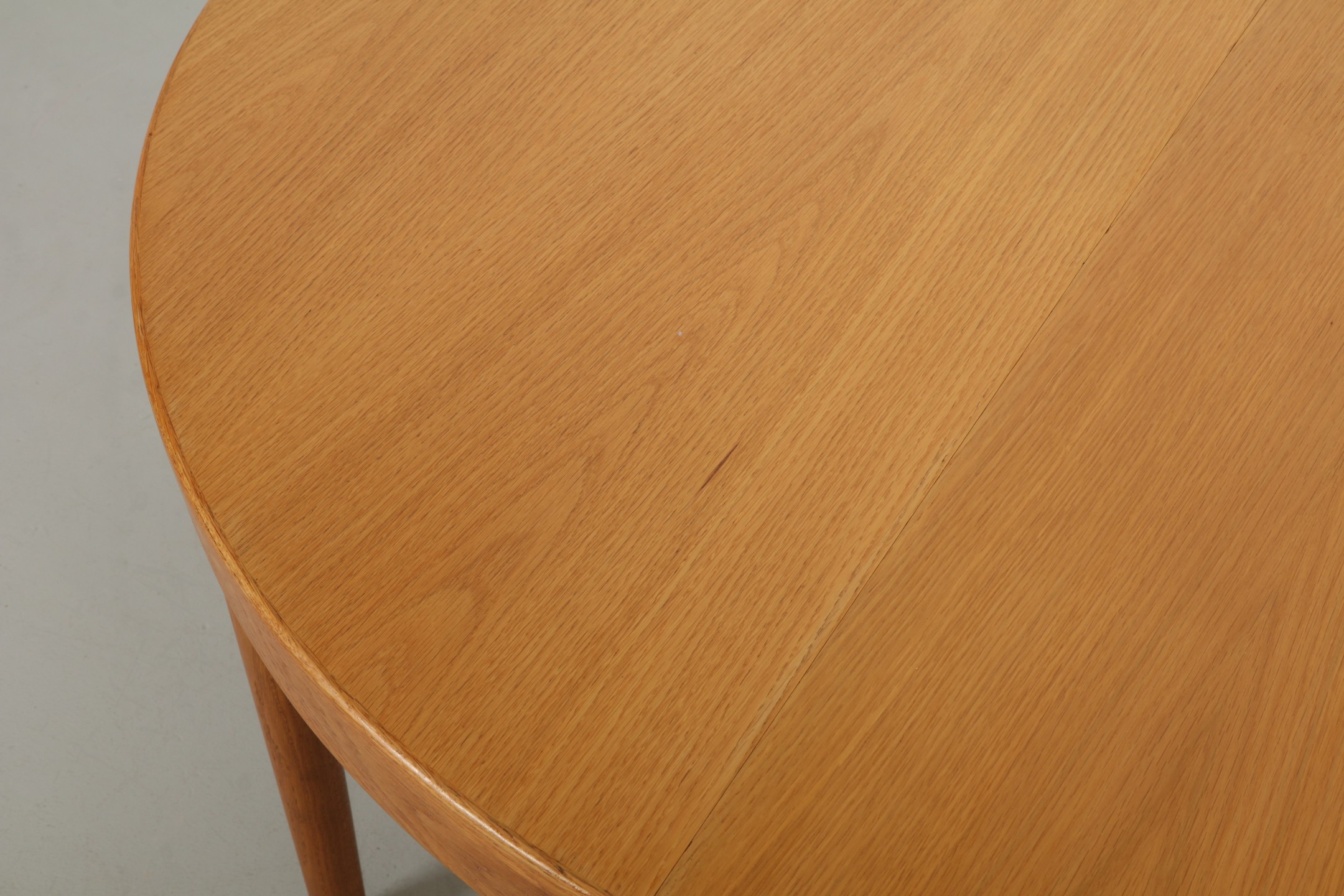
Refined Harry Ostergaard Dining Table by Randers Mobelfabrik
GOOD FORM, 86 Newton Rd, Eden Terrace, Auckland.
.JPG)
Born in Randers in 1916, Østergaard grew up immersed in furniture making. During his childhood, the family lived in an apartment connected to Randers Møbelfabrik at Kristrupvej 28, where the company initially produced traditional furniture influenced by English styles such as Hepplewhite and Chippendale.
Following his father's death in 1949, Randers Møbelfabrik continued under family ownership, with Harry and his brother Orla responsible for its day-to-day management. As the company increasingly embraced modern furniture, Harry became its designer, helping guide the factory towards the clean forms and functional approach associated with post-war Danish design.
Although less internationally recognised than many of his Danish contemporaries, Østergaard represents an important generation of designers working within Denmark's family-owned furniture factories during the country's remarkable post-war design period. His surviving work demonstrates a sophisticated understanding of material, proportion and craftsmanship, combining the practicality of furniture manufacturing with the quiet refinement that has made Danish modern design so enduring.