Five Mid-Century Tips for a Contemporary Renovation

Introduce elements of the timeless mid-century look to your home renovation with a few tips we've collected together from our travels and exposure to the history of this movement.
1/ Maximise Architectural Details with Light
The first thing we think about with a mid-century home is how light enhances the lines of the space, revealing different elements of the architecture throughout the day and creating dramatic shadows.
Maximise natural light with expansive windows and lightweight curtains. A sense of lightness can also be gained from furniture which has a smaller footprint, with legs rather than designs which reach the floor. Glass, chrome and mirrors which reflect light can bring more light into a space too.


Palmer & Krisel Architects | Racquet Club Road Estates in Palm Springs, 1959
2/ Exaggerated Organic, Biomorphic Shapes
Modernism was focused on looking to new forms and new reference points for design solutions. In response to developing technology and world events like the space race, designers in the mid-century period were interested in suggesting the future with exaggerated or biomorphic shapes. We are seeing this from 1960s American designers like Vladimir Kagan and Adrian Pearsall in furniture, or more recently architects like Zaha Hadid.

Oscar Niemeyer | Strick House, 1963

LA Home owned by Brad Pitt & Angelina Jolie featuring designs by Vladimir Kagan

Adrian Pearsall for Craft Associates | Chaise 1828-C, 1960s
3/ Be Bold with Art and Eclectic Objects
A few years ago we were lucky enough to visit the LA home of groundbreaking post-war design duo Charles and Ray Eames. One thing which really impressed us about the interior of the home was the eclectic nature of the objects they collected. They weren't obsessively modernist – pieces had been added over time from their travels and it was layered with handmade textiles or hides which softened the harsh architecture and minimal furniture.

Adrian Pearsall for Craft Associates | Biomorphic Coffee Table, 1960s

Arent and Pyke Designed Home Interior
4/ Embrace Inbuilt Furniture
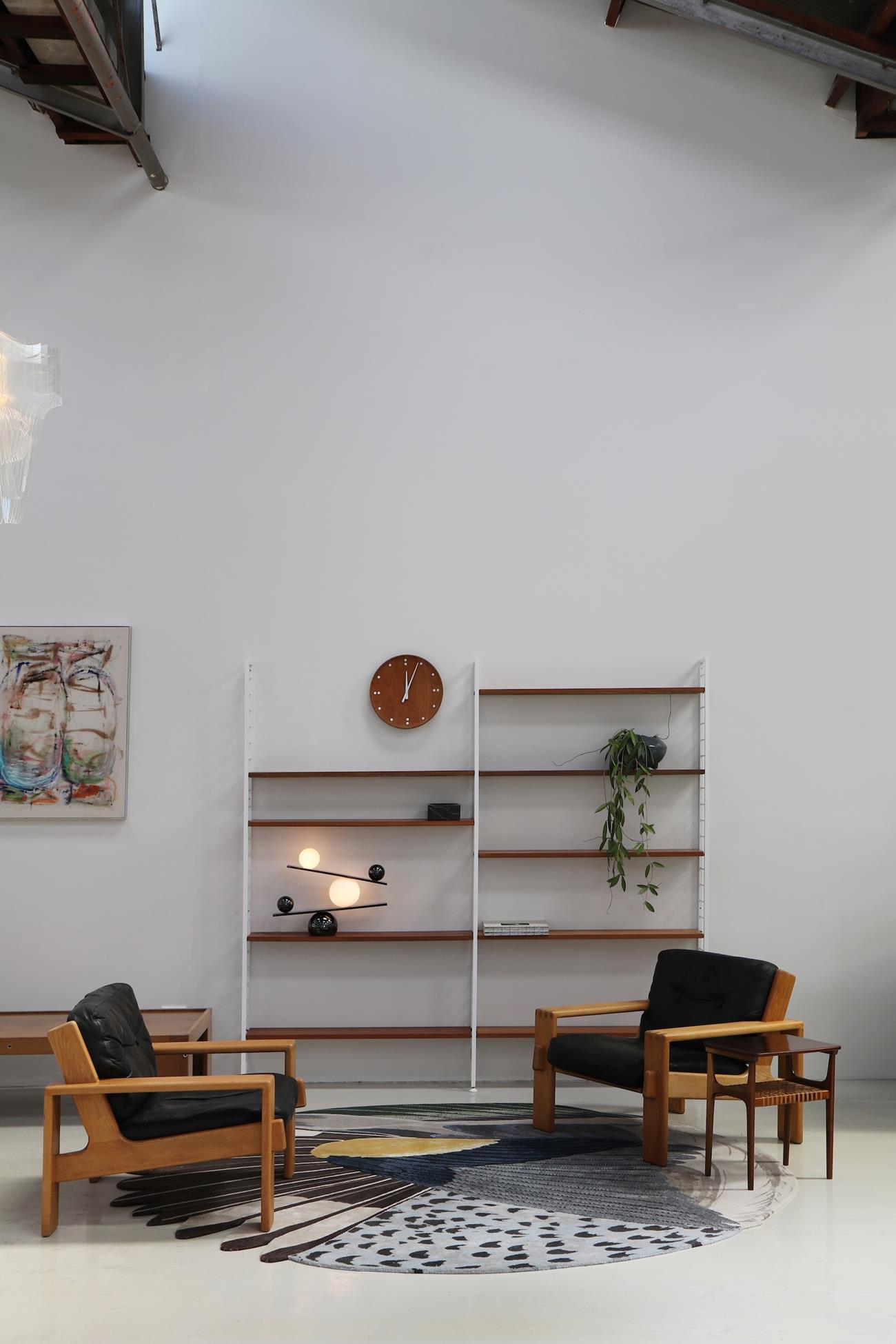
Some of our architectural heroes, Mies Van der Rohe and Frank Lloyd Wright, were regularly using inbuilt furniture in their homes. It offers a way to explore the interior architecture in a way which adds detail and depth to the overall concept. Add functional detail with walls which double as storage or bookshelves to tidy away clutter and make use of the height of your space.
5/ Outdoor Indoor Flow
One of the major changes in mid-century architecture was to pay more attention to the surrounding landscape and bringing the outdoors to the interior spaces, creating more of a human centred, organic and inviting look. Mid-century style and interior design works really well with strong, architectural plant shapes which highlights the architecture and objects in a space. Mix large and small plants to add to the eclectic style and add texture.

Charles and Ray Eames Home Interior

.avif)