A Guide to Buying the Perfect Mid-Century Sideboard in New Zealand


The 'Model 18' Sideboard by Gunni Omann for Omann Jun Møbelfabrik.
A Guide to Buying a Mid Century Sideboard in New Zealand
Few pieces of furniture capture the effortless elegance of mid-century design quite like the sideboard. Whether it’s a sculptural Danish teak masterpiece or a clean-lined British creation, the sideboard remains a cornerstone of form and function – equally at home in a dining room, living space, or entryway.
At Mr. Bigglesworthy, we believe investing in a vintage sideboard is about more than storage – it’s about bringing craftsmanship, character, and timeless design into your home. Here’s a guide to help you choose the perfect piece.
1. Buy Authentic, Buy Once
There’s a big difference between an authentic mid-century sideboard and a modern reproduction. Original pieces were built to last, and many have aged gracefully thanks to quality materials and expert restoration.
At Mr Bigglesworthy, we carefully source and restore each sideboard to bring out its natural character while maintaining authenticity. When you buy from us, you’re investing in true design history – not just a mid-century look.
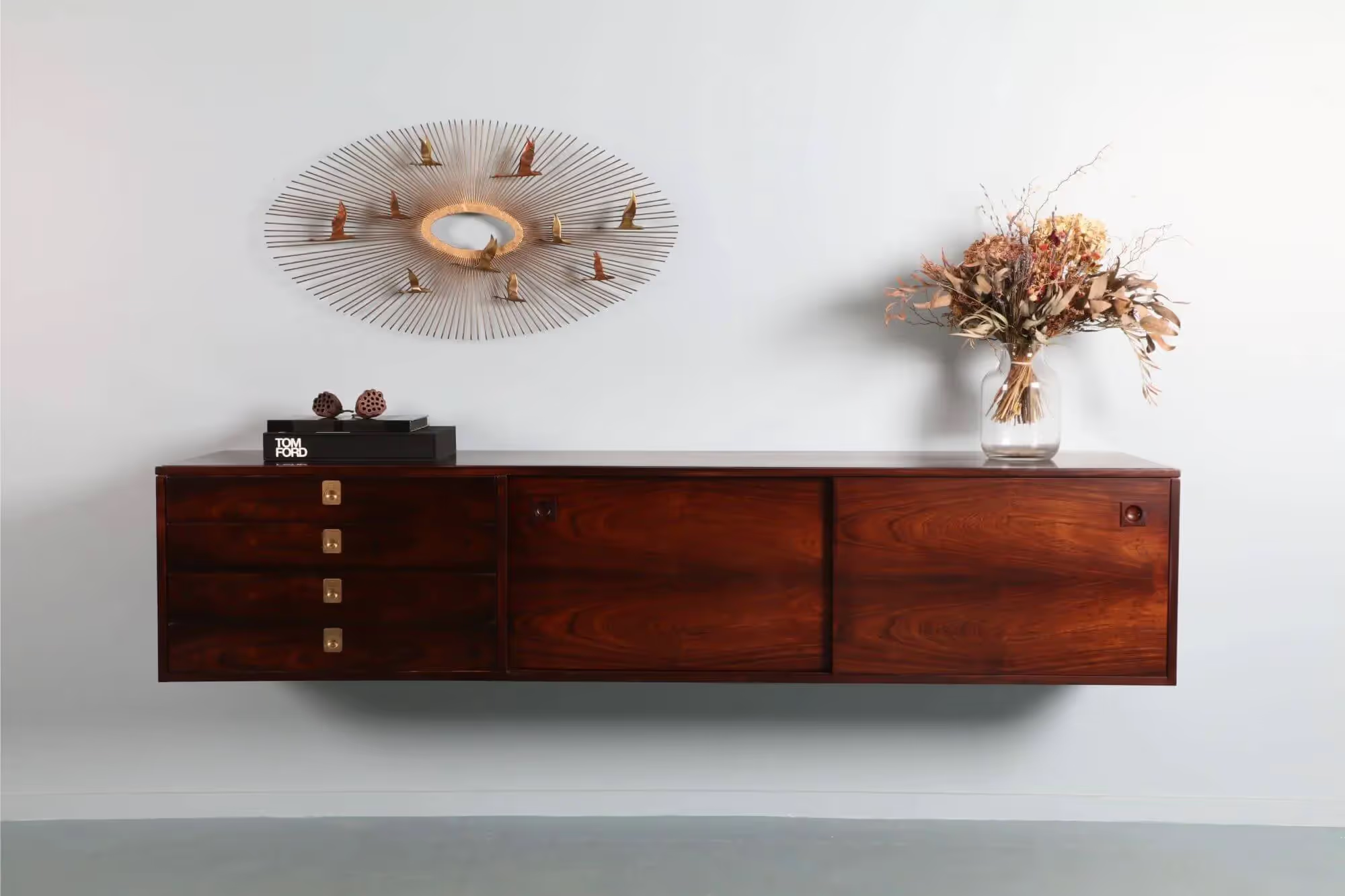
A British wall mounted mid-century sideboard by Robert Heritage for Archie Shine.
2. Understand the Design Heritage
The classic form of the mid century sideboard emerged in the 1950s – an era of optimism, craftsmanship, and purposeful design. Each design tradition offers unique details and sensibilities:
- Danish Design / A celebration of traditional craftsmanship and natural materials. Designs often feature organic curves, sculpted handles, and tapered legs. Look for names like Hans Wegner, Arne Vodder, or Ib Kofod-Larsen.
- British Design / Designers such as Robin Day and Robert Heritage redefined British utility with understated elegance. Makers like G-Plan and Nathan interpreted international trends to create well-crafted, accessible furniture. We also represent memorable pieces from talented makers in the wider the United Kingdom like Scottish firm McIntosh.
- American Design / Bold and innovative, with post-war pioneers such as George Nelson, Florence Knoll, and Charles and Ray Eames blending modernist ideals with rich timbers, new technologies, and playful details.
- Italian Design / Sculptural and expressive, often featuring striking veneers, glossy finishes, and brass accents. Designers like Gio Ponti and Ico Parisi brought artistic flair to functional furniture.
- New Zealand Design / Locally made sideboards that reflect mid-century ideals, often crafted from native timbers. The best examples showcase a Pan-Pacific interpretation of international modernism and Kiwi ingenuity.
Understanding these origins helps you choose a sideboard that complements your interior and reflects your personal aesthetic.
.avif)
The coveted Ib Kofod Larsen 'Model 66' by Danish maker Faruup Mobelfabrik.
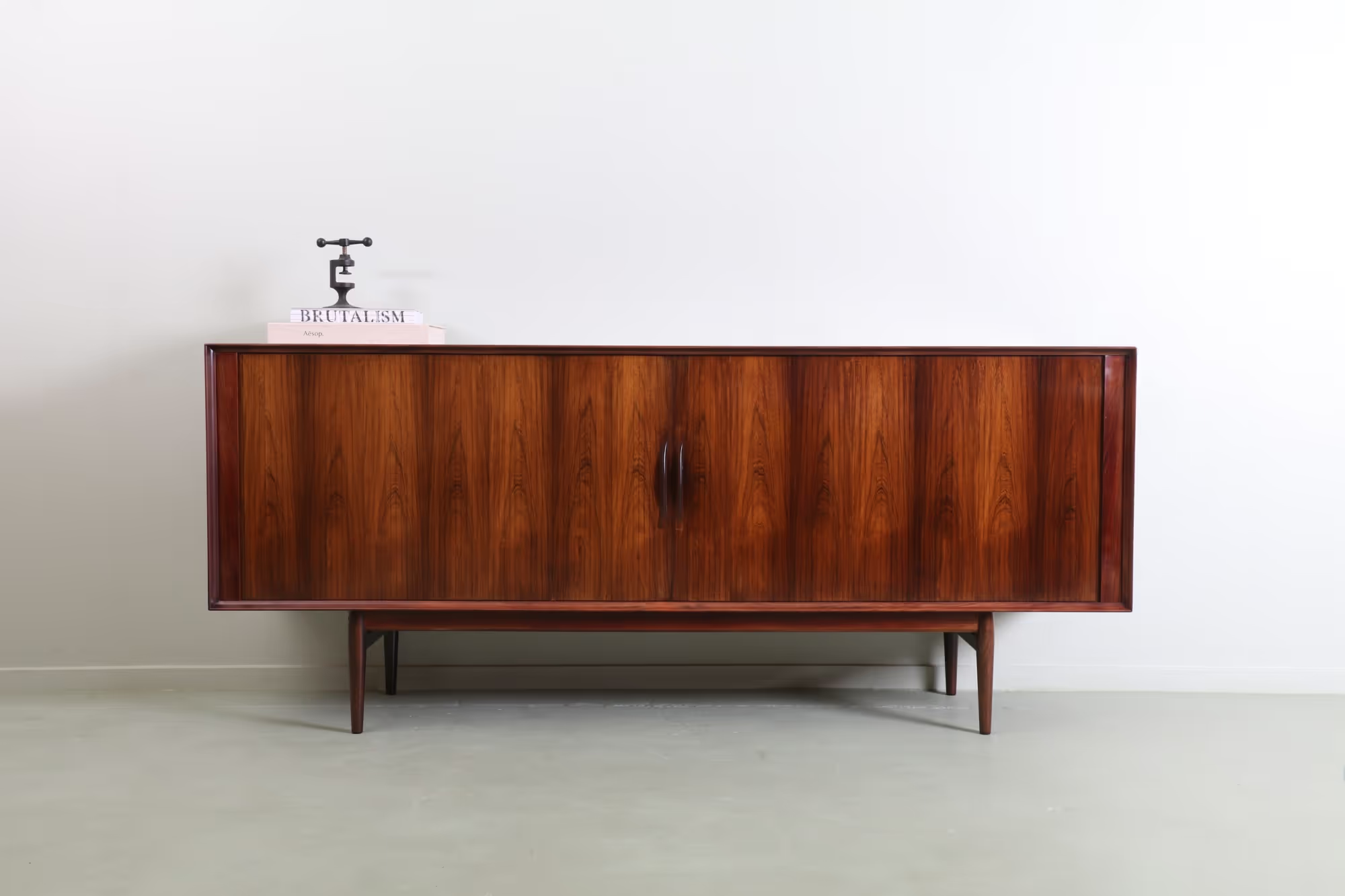
Danish mid-century sideboard 'Model 37' by Arne Vodder for Sibast.
3. Consider Space, Scale and Function
A sideboard should enhance your home both visually and practically. The best mid century sideboards were designed with everyday living in mind – offering generous storage while maintaining elegant proportions.
Before you buy, measure carefully and think about how the piece will interact with its surroundings:
- Long, low sideboards anchor open-plan living areas beautifully and balance other large furniture pieces.
- Compact or taller designs work well in hallways, apartments, or smaller dining rooms.
Beyond proportions, consider how you’ll use your sideboard day to day:
- Sliding doors vs hinged doors – Sliding doors are ideal for tight spaces, while hinged doors offer full access to shelving.
- Adjustable or removable shelving – Perfect for adapting storage to your needs, whether for tableware, books, or art objects.
- Special features – Some mid-century designs include fold-out bars or felt-lined drawers, a nod to the social culture of the 1950s and ’60s.
Getting the scale and functionality right ensures your mid century furniture feels intentional, balanced, and perfectly suited to your lifestyle.
4. Choose Quality Craftsmanship
It’s worth remembering that around 95 percent of mid century sideboards were constructed using veneer – and when done well, it’s a mark of expert craftsmanship. Veneer allowed designers to achieve elegant finishes and beautiful grain patterns while maintaining structural integrity. However, sanding a veneered surface can cause serious damage, so look for pieces that have been properly cared for.
As with today’s furniture, sideboards were produced at a range of price points, which affected materials and build quality. It’s easy to assume a Scandinavian name guarantees premium craftsmanship, but that’s not always the case.
To assess quality:
- Check for dovetail or finger joints on drawers – signs of careful construction.
- Examine the back and underside: quality pieces are neatly finished throughout.
- Look for solid timber framing beneath the veneer rather than chipboard.
These small details reveal a lot about the care and craftsmanship behind a sideboard.
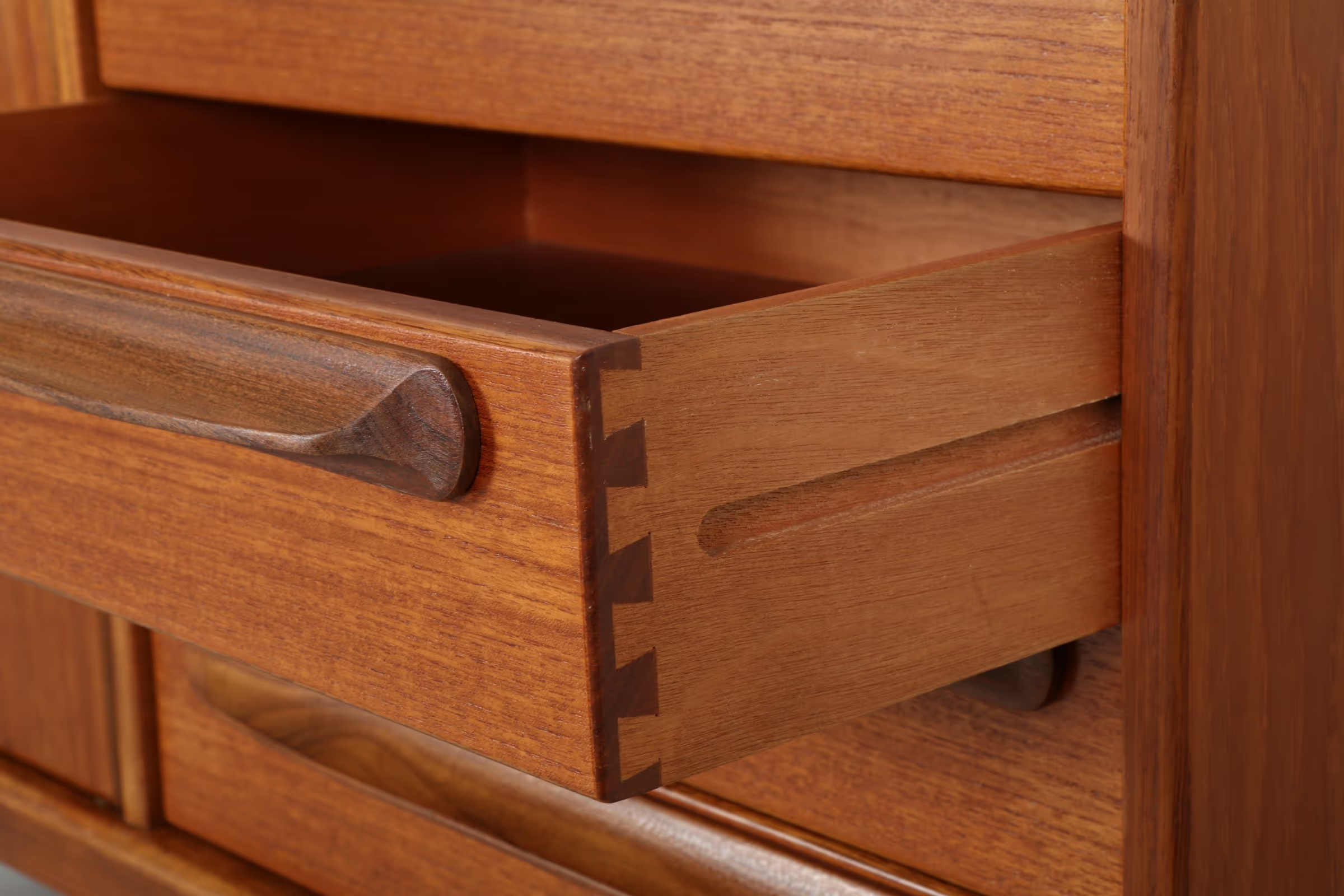
Dovetail construction to mid-century sideboard drawer by John Herbert for Younger.
5. Condition and Restoration
Understanding the condition of a vintage sideboard is one of the most important parts of buying mid-century furniture. Condition directly affects both value and authenticity, so it’s worth taking time to assess how a piece has aged and what, if any, restoration work has been done.
In the world of vintage design, original condition is highly prized. A sideboard that has survived the decades with minimal wear and retains its original finish will often command a premium price among collectors. These pieces tell a genuine story – each subtle mark and soft patina is part of their history and charm.
However, not every piece will arrive untouched by time, and that’s where thoughtful restoration comes in. Good restoration is about restraint and respect. It should enhance a piece’s beauty and functionality while maintaining its originality. Over-restoring or refinishing a sideboard too heavily can strip away the character that gives it value and soul.
The best restorers assess what’s truly necessary – repairing structural issues, stabilising veneer, and refreshing finishes only where needed. The goal is always balance: preserving authenticity while ensuring the piece is ready to be enjoyed for decades to come.
At Mr. Bigglesworthy, we take a careful, considered approach to restoration. Each mid-century sideboard in our New Zealand collection is evaluated individually to determine the right level of care. We honour the maker’s intent, the materials, and the story each piece carries – ensuring it remains both beautiful and true to its origins.
Learn more about our restoration workshop and conservation process.
.avif)
A German sideboard featuring sharp lines and deluxe materials by Musterring Møbel.
Timeless Design, Perfectly Restored
A mid-century sideboard is more than a storage solution – it’s a celebration of design heritage and enduring beauty. Whether you’re searching for a teak sideboard in Auckland or a statement mid century piece anywhere in New Zealand, you’ll find a carefully curated selection at Mr Bigglesworthy.
Each piece has a story to tell – one that continues in your home.
.avif)
The tall 'Fresco' Sideboard by Victor Wilkins for G-Plan offers generous storage and display options.

.avif)